A bag of the best fertilizer applied at the wrong moment is worse than no fertilizer at all. Late nitrogen in August pushes soft growth that will not harden off before winter. Early phosphorus spread on frozen ground washes away before roots wake up. And organic fertilizers, because they rely on soil microbes to release nutrients, need even earlier planning than quick-acting synthetic blends.
You have probably seen the standard advice. “Fertilize in early spring” appears in nearly every fruit tree guide. That guidance is not wrong, but it is incomplete. It ignores soil temperature, tree age, fertilizer type, and climate zone. A grower in Michigan following the same calendar as a grower in Florida will miss critical windows in both directions.
When to fertilize fruit trees is not a single date on a calendar. It is a sequence of seasonal windows tied to growth stages, soil biology, and regional climate. This guide gives you a precise month-by-month calendar for your tree type and location. You will learn why organic programs run on a different schedule than synthetics, how tree age changes the timing, and which nutrient to prioritize at each stage of the growing season.
Want a fertilization calendar built for your orchard’s specific climate and varieties? Request a custom timing consultation and our agronomy team will map your schedule to your soil and growing zone.
Quick Answer: When Is the Best Time to Fertilize Fruit Trees?
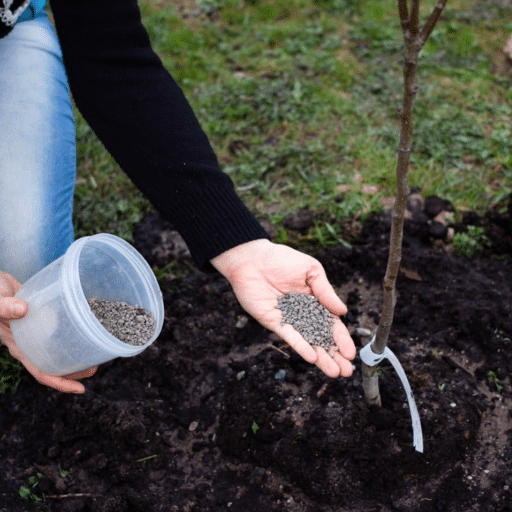
The best time to fertilize fruit trees depends on the season, tree age, and fertilizer type. Most fruit trees benefit from a dormant-season base application for soil building, a pre-bloom feeding 4 to 6 weeks before bud break, a post-bloom top-dress after fruit set, and a light post-harvest application to replenish soil reserves. Young, non-bearing trees need more frequent nitrogen during active growth. Mature fruit trees do best with split applications timed to fruit development stages.
| Season | Timing Window | Nutrient Focus | Best Organic Inputs |
|---|---|---|---|
| Dormant | Late fall to late winter | Soil building, slow-release base | Compost, aged manure, humic acid |
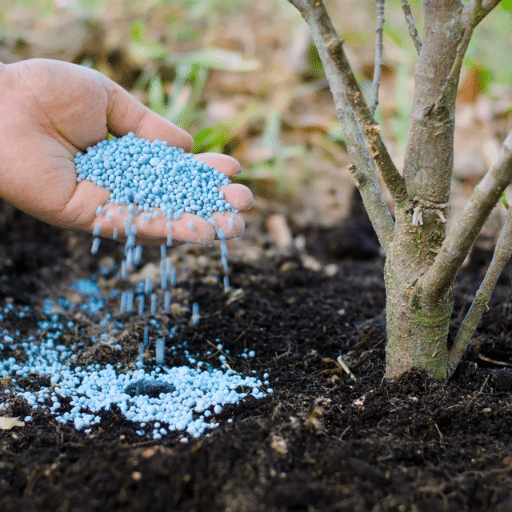
| Pre-bloom | 4-6 weeks before bud break | Nitrogen, phosphorus for flowers | Granular organic NPK, bone meal |
| Post-bloom/fruit set | Spring to early summer | Potassium, micronutrients | Kelp meal, amino acid foliar sprays |
| Fruit development | Mid to late summer | Potassium, calcium | Fish emulsion, compost tea |
| Post-harvest | After leaf drop | Reserve replenishment | Light compost, kelp |
Why Timing Matters More Than Most Growers Realize
Fruit trees do not absorb nutrients on demand like annual vegetables. They store carbohydrates and minerals through dormancy, then draw on those reserves during bud break, bloom, and early fruit set. Feed the soil too late, and the tree has already committed to its seasonal growth pattern. Feed too early, and nutrients leach or volatilize before roots can take them up.
The Fruit Tree Growth Cycle: Nutrient Demand by Stage
Understanding when to fertilize fruit trees starts with the growth cycle. During dormancy, metabolic activity slows but root systems continue limited uptake whenever soil temperatures stay above 40 degrees F. As buds swell, the tree shifts stored energy into new shoots and flowers. After fruit set, demand spikes for potassium and micronutrients that drive cell division and sugar accumulation. Post-harvest, the tree redirects resources back into root reserves and prepares for the next cycle.
Each phase requires a different nutritional strategy. Pre-bloom nitrogen fuels the explosion of new tissue. Post-bloom potassium determines fruit size and quality. Late-season calcium prevents storage disorders. Missing any window creates a deficit that cannot be corrected later in the season.
Organic vs Synthetic Timing Differences
Synthetic fertilizers dissolve quickly and become plant-available within days. Organic fertilizers must first be broken down by soil microorganisms, a process called mineralization. In 60-degree soil, organic nitrogen mineralizes at roughly 1 to 2 percent per week. That means a fall application of compost or slow-release organic granules is necessary for spring availability. If you apply organic fertilizer at the same time as synthetic, the tree will be hungry before the nutrients arrive.
This difference fundamentally changes when to fertilize fruit trees with organic programs. The application calendar shifts earlier, especially for slow-release nitrogen sources like feather meal, compost, and pelletized organic blends. For guidance on choosing the right inputs for each window, see our complete guide to the best organic fruit tree fertilizer categories and formulations.
Soil Temperature as the Real Trigger
Calendar dates vary by climate, but soil temperature is a universal signal. Root nutrient uptake becomes significant when soil temperatures reach 45 to 50 degrees F. Optimal uptake occurs between 60 and 70 degrees F. In temperate zones, this usually means mid to late March for early applications, but a soil thermometer removes the guesswork.
David’s story: David manages a 25-acre apple orchard in western Michigan. For years, he followed the “fertilize in April” rule with organic compost and feather meal. His trees looked healthy enough, but bud break was inconsistent and early fruit set was weaker than neighboring orchards. In 2024, he shifted his main compost application to late November and added a granular organic blend in late February when soil temperatures first hit 45 degrees F. By bloom time, soil tests showed 40 percent more available nitrogen in the root zone. His 2025 season opened with stronger, more uniform bloom, and his pack-out yield rose 12 percent. The difference was not the fertilizer. It was the timing.
The Universal Fruit Tree Fertilizer Calendar

A fruit tree fertilizer schedule should follow the tree’s internal clock, not the wall calendar. Here is how the seasons break down for most temperate fruit trees, with notes on organic fertilizer timing.
Dormant Season (Late Fall to Late Winter): Soil Building and Slow-Release Base
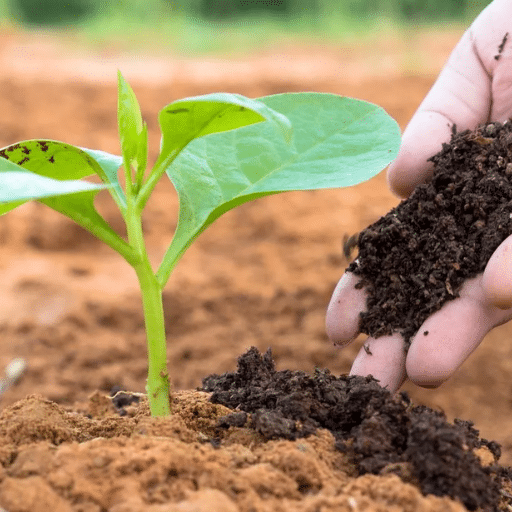
This is the most overlooked window, and the most important for organic growers. Apply compost, aged manure, and slow-release organic granules after leaf drop but before the ground freezes. Soil microbes work slowly in cold soil, but they do work. By starting mineralization in late fall, you ensure nutrients become available as soon as soil temperatures climb in early spring.
For commercial orchards, this is also the ideal time to apply humic acid or soil conditioners. These amendments need time to integrate with soil chemistry and stimulate microbial populations before the spring root flush. Learn more about how humic acid fertilizers function as dormant-season soil builders.
Pre-Bloom / Early Spring (4 to 6 Weeks Before Bud Break): The Foundation Application
Apply your main nitrogen and phosphorus inputs when soil temperatures consistently reach 45 to 50 degrees F. For apples in USDA zone 6, this is typically late February to mid-March. For citrus in zone 9, it may be January or February.
This window fuels the vegetative burst that follows bud break. For bearing trees, target 0.5 to 0.75 pounds of actual nitrogen per year of tree age, up to a maximum of about 6 to 8 pounds for mature trees. Split this into at least two doses for best efficiency.
Bloom to Fruit Set (Spring): Supporting Flower and Early Fruit Development
After petals fall and young fruit begin to form, shift focus to potassium and micronutrients. This is the window for kelp meal, fish emulsion, and amino acid foliar sprays. Avoid heavy nitrogen now; it stimulates vegetative growth that competes with young fruit for carbohydrates.
For stone fruit, this is also when boron and zinc demand peaks. A foliar micronutrient spray during early fruit set can prevent deformed fruit and poor pit development.
Fruit Development / Mid-Season (Late Spring to Summer): Quality and Size Nutrients
From early June through July in temperate zones, fruit cells expand rapidly. Potassium drives sugar accumulation and fruit size. Calcium prevents bitter pit in apples and blossom-end issues in stone fruit.
Apply potassium-rich organic inputs like kelp meal or potassium sulfate. If your soil test shows adequate potassium, a light compost tea or amino acid foliar spray maintains momentum without overfeeding.
Late Season / Pre-Harvest (Late Summer to Early Fall): Finishing and Hardening Off
Stop nitrogen applications 6 to 8 weeks before the first expected frost. Late nitrogen produces soft, sappy growth that will not harden off, increasing winter injury risk by 15 to 30 percent in temperate zones according to university extension research.
Continue potassium and calcium through harvest if soil tests support it. These nutrients improve fruit firmness and storage life without stimulating new vegetative growth.
Post-Harvest (Fall): Recovery and Reserve Replenishment
After harvest and leaf drop, trees are rebuilding root reserves for next spring. A light compost or kelp top-dress feeds soil biology and begins the nutrient cycling process for the next season. This is not the time for heavy nitrogen, but it is the perfect time for organic matter additions that improve soil structure over winter.
For detailed guidance on application techniques for each of these windows, see our article on how to apply organic fertilizer effectively. Different methods work better at different times of year.
Timing by Fruit Tree Type
Not all fruit trees share the same calendar. When to fertilize apple trees differs from when to fertilize citrus trees in both season length and nutrient emphasis.
Apple and Pear Trees: Temperate Zone Schedule
Pome fruit follows the classic four-season calendar. Apply compost or slow-release organic base in late fall. Top-dress with granular organic NPK 4 to 6 weeks before expected bud break. Add a potassium boost after fruit set, and stop nitrogen by mid-July in most temperate zones.
Mature apples remove roughly 0.5 to 1.5 pounds of nitrogen, 0.1 to 0.4 pounds of phosphorus, and 0.5 to 1.5 pounds of potassium per year through harvested fruit and pruning. Replace these amounts in split doses.
Citrus Trees: Subtropical and Tropical Adjustments
Citrus does not experience true dormancy in warm climates. Instead of one spring push, citrus benefits from 3 to 4 lighter applications spaced across active growth periods. In Florida and Mediterranean climates, feed in February, May, and September with a lighter winter application if temperatures stay above 50 degrees F.
Citrus is a heavy feeder for nitrogen, potassium, and magnesium. An organic 8-3-9 blend applied in split doses outperforms a single heavy application.
Stone Fruit (Peach, Plum, Cherry, Apricot): Shorter Windows, Precise Timing
Stone fruit has a compressed growing season and precise nutritional windows. Pre-bloom phosphorus is critical for flower development. Post-bloom potassium determines fruit firmness. Because peach trees typically live only 12 to 20 productive years, maximizing each season matters more than for long-lived apples.
Apply the bulk of organic amendments in late fall or very early spring. Stone fruit blooms early, so missing the pre-bloom window by even two weeks reduces fruit set.
Nut Trees (Almond, Walnut, Pecan): Split-Dose Requirements
Nut trees are nitrogen-hungry and require split applications to match their extended growing season. Almonds in California typically receive nitrogen in March, April, and May. Walnuts need a similar pattern with additional zinc attention at bud break.
For commercial nut orchards, bulk organic blends make split applications logistically feasible. The per-acre economics favor programmed schedules rather than single annual doses.
Tropical and Subtropical Fruit (Mango, Avocado, Banana): Year-Round Feeding Cycles
Tropical fruit grows continuously in warm, leached soils. Frequent, smaller applications every 6 to 8 weeks outperform one large dose. Humic acid is especially valuable in these soils to reduce nutrient leaching and improve cation exchange capacity.
Elena’s story: Elena manages a 60-acre citrus grove in central Florida where “spring” arrives in February and the growing season runs nearly year-round. For her first three seasons, she applied a single heavy dose of organic fertilizer in March. Her trees looked fine, but fruit size was inconsistent and magnesium deficiency showed up every August. In 2025, she switched to a quarterly schedule, light organic 8-3-9 in February, May, August, and November, with humic acid in every other application. By the 2026 harvest, her average fruit diameter increased by 8 percent and the late-season deficiency symptoms disappeared. The total annual nitrogen rate did not change. She just spread it across the tree’s actual demand curve.
Timing by Tree Age and Growth Stage

A first-year sapling and a 20-year-old standard tree should not share the same schedule. The best time to fertilize fruit trees changes as trees mature.
Newly Planted / First-Leaf Trees: When to Start and What to Avoid
Wait until new growth appears before applying any fertilizer to newly planted trees. The root system needs time to establish. Mix compost and bone meal into the planting hole at installation, then hold off on additional feeding for 6 to 8 weeks.
First year fruit tree fertilizer should emphasize phosphorus for root development, not nitrogen for top growth. A light side-dressing of balanced organic blend after the first flush of new growth is sufficient.
Second and Third Leaf (Establishment Phase): Building Framework
Young trees need steady nitrogen to build canopy and framework. Apply a balanced organic NPK in early spring and again in early summer. Split applications reduce burn risk and match the tree’s continuous growth pattern.
Avoid fall nitrogen that delays dormancy. Young trees are more susceptible to winter injury than established specimens.
Young Bearing Trees (Years 4 to 7): Transition to Production Timing
These trees are shifting from vegetative growth to reproductive growth. Reduce spring nitrogen slightly and increase potassium emphasis after fruit set. This transition phase is where many growers over-apply nitrogen and get lush canopies with disappointing fruit loads.
Mature Orchards (7+ Years): Maintenance and Replacement Feeding
Mature trees need maintenance, not stimulation. Base your schedule on soil tests and leaf tissue analysis. Most established orchards benefit from a dormant organic base, one pre-bloom NPK application, and a post-bloom potassium top-dress.
Research shows that splitting nitrogen into 2 to 3 applications increases nitrogen-use efficiency by 20 to 35 percent compared with a single annual application in fruit trees.
Climate Zone Adjustments
Calendar dates are meaningless without climate context. When to fertilize fruit trees in Minnesota is not when to fertilize fruit trees in Texas.
Cold-Climate Timing (USDA Zones 4 to 6): Shorter Windows, Dormant Focus
Growing seasons are short and soil stays cold late into spring. Apply organic base amendments in late fall before freeze-up. Pre-bloom feeding happens in March or April when soil temperatures reach 45 degrees F. The post-bloom window is narrow, often just May and early June. Stop nitrogen by early July to ensure hardening off before September frosts.
Temperate Timing (USDA Zones 7 to 8): The Standard Calendar
This is the reference climate for most fruit tree advice. Dormant application in November to December. Pre-bloom in February to March. Post-bloom in April to May. Fruit development support in June. Late-season cutoff in July to August. Post-harvest light feeding in October to November.
Warm-Climate Timing (USDA Zones 9 to 11): Extended Seasons, Leaching Risks
Winters are mild and soils rarely freeze. Pre-bloom can start in January or February. The growing season extends into October or November. However, warm-season rains increase leaching risk. Smaller, more frequent organic applications every 8 to 10 weeks work better than heavy seasonal doses.
Add humic acid to every other application to combat leaching and improve nutrient retention in sandy or high-rainfall soils.
Tropical and Subtropical Timing: Year-Round Cycles and Monsoon Adjustments
In true tropical climates, there is no dormancy. Trees grow continuously with peak vigor during the wet season. Schedule applications at the start of the rainy season and again at mid-season. Avoid top-dressing just before heavy monsoon rains that wash unmineralized organic matter below the root zone.
Container and Greenhouse Fruit Trees: Controlled Environment Scheduling
Container trees dry out faster and deplete nutrients more quickly. Fertilize every 4 to 6 weeks during active growth with a dilute organic liquid or controlled-release granular. Reduce frequency by half during winter months even in heated greenhouses, because light levels, not just temperature, drive nutrient demand.
Common Timing Mistakes and How to Avoid Them
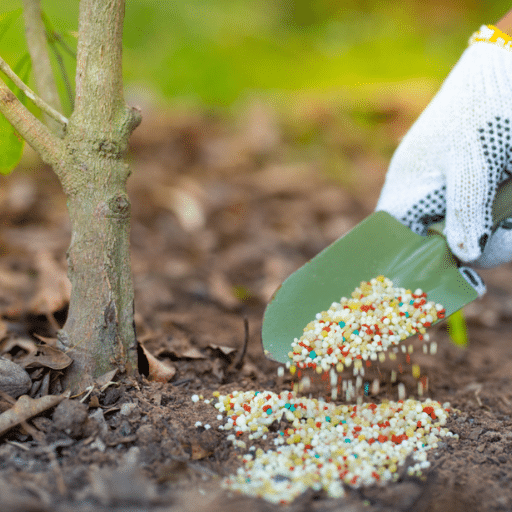
Even experienced growers misjudge the calendar. Here are the five most costly timing errors.
Fertilizing Too Early (Frozen Soil and Nutrient Loss)
Spreading organic amendments on frozen ground wastes money. Nutrients sit on the surface until spring thaws, then wash away in meltwater. Wait until soil is workable, or apply in late fall before freeze-up so microbial activity has time to incorporate nutrients.
Late-Season Nitrogen Applications (Winter Injury Risk)
Nitrogen applied less than 6 to 8 weeks before first frost stimulates vegetative growth that cannot harden off. This is the single most common cause of winter dieback in temperate orchards. Switch to potassium and micronutrient inputs after the nitrogen cutoff date.
Marcus learned this the hard way. In 2024, he applied a high-nitrogen organic feather meal to his peach trees in mid-September, thinking a late boost would help next spring. Instead, the trees pushed a flush of tender growth that froze in an early October cold snap. He lost 30 percent of his bearing wood and spent the next spring pruning out dead branches. The nitrogen cutoff date exists for a reason.
Missing the Pre-Bloom Window (Reduced Fruit Set)
Phosphorus applied after bloom has already started does not help flower development. The pre-bloom window closes quickly. Mark your calendar 4 to 6 weeks before historical bud break dates for your varieties, and watch soil temperatures to confirm timing.
Applying During Drought Stress Without Irrigation
Fertilizer salts, even organic ones, concentrate in dry soil and can damage roots. If drought conditions exist, irrigate before and after application, or delay feeding until soil moisture returns.
Ignoring Soil Tests Before Setting a Schedule
A $25 soil test prevents hundreds of dollars in misapplied fertilizer. Test every 2 to 3 years for established orchards and annually for new plantings. Adjust your timing and formulation based on what the soil actually needs, not what the calendar says.
For a balanced view of organic fertilizer limitations and how to work around them, read our analysis of the drawbacks of organic fertilizer and how proper timing solves most of them.
Frequently Asked Questions

Can I fertilize fruit trees in the fall?
Yes, fall is an excellent time for organic soil-building amendments like compost, aged manure, and humic acid. These inputs need time to mineralize. Fall application gives soil microbes months to convert organic matter into plant-available nutrients before spring. Avoid quick-release nitrogen in late fall, which can delay dormancy.
What happens if I fertilize fruit trees too late?
Late nitrogen produces soft growth that is vulnerable to frost, disease, and pest pressure. Late phosphorus misses the flower development window and wastes money. Late potassium can still help fruit quality in some cases, but the overall yield potential is already set by earlier nutrition.
How do I know if my fruit tree needs fertilizer now?
Look at leaf color, shoot growth, and fruit load. Pale green or yellow leaves suggest nitrogen deficiency. Short annual shoot growth on mature trees, less than 8 to 12 inches for apples, indicates underfeeding. However, a soil test is the only reliable way to know exactly what and when to apply.
Should I fertilize fruit trees while they are fruiting?
Yes, but shift the nutrient mix. During fruiting, emphasize potassium, calcium, and micronutrients rather than nitrogen. Heavy nitrogen during fruiting causes excessive vegetative growth at the expense of fruit size and sugar content.
How often should I fertilize young fruit trees?
Young, non-bearing trees benefit from 2 to 3 light applications per year during active growth. Space applications 6 to 8 weeks apart from spring through midsummer. Stop by early August in temperate zones to allow hardening off before winter.
Does organic fertilizer need to be applied earlier than synthetic?
Yes. Organic fertilizers rely on microbial mineralization, which proceeds at 1 to 2 percent per week in 60-degree soil. A fall or dormant-season application of organic inputs is necessary for spring availability. Synthetic fertilizers can be applied closer to the growth window because they dissolve immediately.
When should I stop fertilizing before winter?
Stop nitrogen 6 to 8 weeks before the first expected frost in temperate zones. In subtropical and tropical climates, reduce application rates by half during the coolest months but maintain a light feeding schedule year-round.
Conclusion: Mastering When to Fertilize Fruit Trees
When to fertilize fruit trees is not a single date. It is a system of seasonal windows tied to growth stages, soil biology, and climate. Feed the soil in dormancy with organic amendments that need time to mineralize. Apply nitrogen and phosphorus 4 to 6 weeks before bud break. Shift to potassium and micronutrients after fruit set. Stop nitrogen 6 to 8 weeks before frost. And rebuild soil reserves with a light post-harvest top-dress.
The growers who get the best yields are not necessarily using the most expensive fertilizers. They are the ones who match their inputs to the tree’s actual demand curve. Whether you manage a backyard orchard or a thousand-acre commercial operation, timing is the bridge between the right fertilizer and the right result.
If you are ready to move from generic calendar advice to a fertilization schedule built for your climate zone, soil profile, and tree varieties, our agronomy team can help. Request a custom fruit tree fertilization calendar and start the next growing season with nutrients timed precisely to your orchard’s needs.