Each mature apple tree can bear anything from 200-400 lbs of fruit each year, provided its roots find the right source of nutrients at the right time. Once the tree has put in an evening of 15-50 years in a spot, there’s no way to replant it in enriched soil. Today’s choice of fertilizer translates into the harvest you experience for the rest of your life.
This very consideration overtakes the whole process of searching for the best fertilizer to feed organic fruit trees. All the shelves and related search pages are loaded with items boasting the label “natural” or “eco-friendly”. The information of the NPK proportions printed on their labels can’t be skimmed with a relaxed pair of eyes. And when’s the best timing? Various opinions amongst everyone on the earth prevail about when fruit trees should be fed.
Here is a piece of good news: this will help you read fertilizer labels like a professional farmer at the end. You will discern which specific organic inputs are best suited for apples, citrus fruit, stone fruit, and nuts. You will also learn the best times to apply the fertilizer for maximum yield. You will name names- you will know what to look for in a certified manufacturer that turns out a solid year-on-year product.
What Makes a Fruit Tree Fertilizer “Organic”?

Simply because of the label of a fertilizer, the word “organic” does not necessarily mean what one might think. Some countries consider simply stating the product is made of carbon-based material to warrant the acclaim, while for others, it includes a lengthy dedication to sourcing, processing, and contamination limits. And it is that gap that creates confusion.
Organic fertilizers are those fertilizers that derive their nutrients and minerals from organic sources, like composted animal manure, bone meal, blood meal, fish emulsion, seaweed extract, and plant-based meals. These supplies are very different from synthetic salts in how they feed plants. The nutrients and minerals they confer are slowly released into the soil-precisely when hungry plants want them- from compounds formed as the microbes in the surrounding soil soil decompose the compounds of the constituent material. This slow releaseâ mimics a natural soil environment system and reduces the risk of nutrient burn.”
It is at this stage that many farmers are led astray. The name “natural” doesn’t assure organic fertilizer. It may well contain minerals taken from the earth and cleaned using chemical techniques. Organic certifications like REACH, SGS, and BV were designed to ensure exactly the opposite. They check that all stages of production comply with the set environmental and safety laws. So when you buy an organic fertilizer, you don’t just get the product you get to buy transparency with certification.
The Difference Between Organic and Natural Labels
What the natural label refers to is the origin of ingredients. The organic label refers to the entire item of production. When phosphate rock mined and sulfuric acid get mixed with it in order to make superphosphate, it will no longer undergo an organic transformation. True-to-all-organic fertilizers pile up in decomposition and in physical-only processing – but not conversion with chemistry.
Why Official Certification Really Matters
Certifications are independent guarantees of quality. REACH assurance, confirming that the products are compliant with regulations of chemical safety within Europe. SGS oversees the third-party QAD in assuring the quality of the product. BV inspections are aimed to maintain consistency in the manufacturing process. For commercial growers who want to export fruit, these certifications are more than just optional-they are mandatory.
On advancing her Valencia-based citrus export business into Southeast Asian markets, Elena Vásquez found it necessary to produce documents that had never been demanded locally. From this organic fertilizer manufacturer, there was no complete traceability that was qualified. And with the advice of GoodCorpest, by using an organic blend with a REACH and SGS certification, costing an additional 8% per ton, she succeeded in pulling down three new export agreements to the tune of around 40,000 Euros annually. The certification was not simply a paper exercise. It was a money maker as well.
Common Organic Nutrient Sources
The state-of-the-art fruit tree fertilizers of the organic class usually consist of various nutritional boosts, rather than relying on a single one. A compendium of macronutrients and organic matter is furnished by compost and manure that has been aged. For quick action, blood meal supplies nitrogen. Bone meal offers phosphate for root and flowers in the long term. Micronutrients and growth hormones are given by fish emulsion and seaweed extract. Microbial life conditions all essential secondary metabolites on instances of humic acid and amino acid formulations.
Bottom line: Organic stands more as a concept than a material. Alway seek verification material from the supplier.
Understanding NPK for Fruit Trees

Those three numbers you see on every fertilizer bag-such as 10-10-10 or 8-4-12-represent the proportion, by weight, of nitrogen (N), phosphorus (P), and potassium (K) that occurs between. Understanding the role each of them plays will help you better match fertilizer to actual tree needs.
Most fruit trees will perform superbly on balanced NPK products like 10-10-10 during their establishment years. Upon reaching fruit-bearing age, most growers increase the potassium stake a bit by opting for an 8-4-12 (as formulated here). Sugars, size, storage life-nearly all the major sugars require potassium for their synthetic formation. Overfeeding mature trees can relegate fruit to a distant second in preference over stronger vegetative growth engendered by nitrogen.
Nitrogen: Growth and Leaf Health
There is such a good case put up by nitrogen for the purposes of chlorophyll development and leaf improvement. Trees in early stages have a need so urgent for it to build their canopy and structural tissue. Trees of fruiting age require less nitrogen. When too much is supplied in the present, it can cause delays in going dormant, make the trees more susceptible to frost damage, and may effectively reduce the capability of fruit setting. Split the application for nitrogen that has to be undertaken throughout the season rather than one heavy dose. This method ensures a, constant nitrogen supply, flooding the system and overwhelming the tree.
Phosphorus: Root Development and Flowering
Phosphorus aids in energy transfer within the plant. It is fundamental in root growth, flower bud formation, and early fruit development. Deficiencies in phosphorus result in dark green leaves with a purplish tint and poor blooming. Bone meal and rock phosphate make excellent sources of organic phosphorus because phosphorus moves slowly in soil, so placement near the root zone at planting or early- spring feeding works best.
Potassium: Fruit Quality and Disease Resistance
Potassium modulates water movement, enzyme activation, and carbohydrate transport. In fruit trees, sufficient potassium allows the crop to be firmer, more colorful, tastier, and better stored after harvest. Potassium strengthens cell walls against diseases and stresses. Wood ash and sulfates of potash sell seaweed extract are the most common organic sources of potassium.
Commonly overlooked micronutrients
Most fertilizers recommended for general agricultural soil are used for food crops like corn and soybeans, which can die with the absence of any one primary nutrient. Organic fertilizer often has material harmful to ordinary soil and water resources. You have a delicate balance, where your vegetables need the nitrogen and phosphorus badly and yet, at different stages of growth, seem to put up with underfed roots, ripening fruits, or pale leaves. For soil, with its fixed availability of nutrients in an ecological organic cycle, the beauty is that it must not all be dug up before these plants and ‘do a few business trips with the local extension service.’
Looking for tailored NPK blends designed for your specific orchard? Explore our customized fertilizer solutions to match your soil tests and tree varieties.
The Best Organic Fertilizers for Fruit Trees: Top Categories

There is a disparity between organic fertilizers with fruit trees; some excel in soil building, while several others bring quick nutritional support. The best organic fruit tree fertilizer programs combine categories across the growing season.
Compost and Aged Manure: The Underpinning
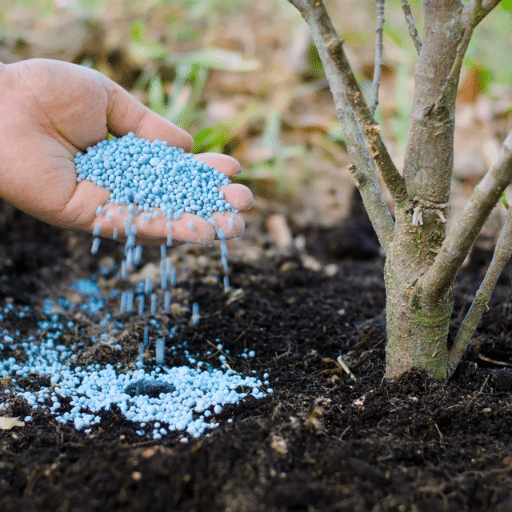
The fruits of most organic fruit tree-care schemes are two phases-namely composting and aged manure. Both meet the demands of fruit trees, increasing soil structure and water-retaining capacities, rekindling microbial diversity, and providing a great base of slow-release nutrients. Scatter the compost at the dripline’s ring, and keep it at a depth of 2-4 inches during early spring. Do not use new manure as it may burn roots and spread pathogens; manure must be allowed to mature for at least six months.
Blood Meal and Bone Meal: P and N Targets
One of the only natural sources of nitrogen feasible for plants and beneficial for trees is blood meal. The nutrient content of blood meal is typically 12-0-0, and growing a tree comparatively fits. Use it for an early-season wide root-feed beneath the tree. Rich in phosphorus, bone meal (3-15-0) is an essential nutrient for the proper flowering of the tree in soil with optimum pH. Slowly releasing phosphorus for greater sapling and flower bud production and root integration with the tree, bone meal is to be used in the tree’s root mass. But do not overdo the bone meal, making the root on the soil deeper and, like a fish, provided with more humidity. Applying bone meal cautiously now is recommended. Try to furnish it to the root every 3 to 4 years in large amounts!
Fish Emulsion and Seaweed Extract: Micronutrient Powerhouses
Fish emulsion releases nitrogen along with trace minerals in a form that is received immediately by plants. It fits in as a very good foliar or soil drenching feed while the fruit is being developed. Seaweed extract comes with cytokinins, auxins, and gibberellins. These natural growth substances stimulate root growth, stress tolerance, and the setting of fruit. Many commercial organic producers alternate between fish emulsion and seaweed extract applications every 2-3 weeks during the growing season.
Humic Acid and Amino Acid Formulations: Soil Enricher’s
This is the basic first layer of ability of success in organic fertilization. Humic acids are intricate molecules that are produced by the decomposition of organic matter. They chelate a few of the minerals, which are thereby made available for the plant roots, and they upsurge within the populations of the beneficial microbes. They bolster cation exchange capacity. In plain language, this means the humic acid helps the soil hold the nutrients and prevents them from leaching away.
Amino acid fertilizers avail of nitrogen within protein fragments, incorporating fixed residues without microbial conversion, which the plant can absorb directly. Therefore, quick responses are documented during critical growth periods. Amino acid foliar feeds here are no different for fruit trees on the brink of bloom or under stress recuperation as they operate quite instantly than anything else-involving until weeks show best results.
When an irrigation system went down at a peach orchard in northern Spain during a June heat wave, the trees showed typical stress symptoms within 48 hours. Wilting tips. Yellowing lower leaves. Rather than waiting for soil recovery, the farmer immediately sprayed with a combination of amino acid and seaweed. Canopy color seemed to normalize within five days, with fruit drop a respectable less than 3%, which generally follows severe stress. But thanks to hastening the nutrient supply.
Granular Organic Blends: Convenience Without Compromise
The compost of meal, mineral, and microbial inoculant is pelleted or crumbled. They offer consistent NPK ratios and easy application with standard spreaders, through a relatively controlled nutrient release. For heavy applications and the management of hundreds and thousands of acres of trees in a commercial orchard, granular formulations save overall turnaround time and sustain inorganic integrity. Choose those labeled with specifics. The listing qualifies the ingredients in the blend instead of typecasting at “composted material.”
Tree-Specific Fertilizer Recommendations
Generic recommendations miss the mark because different fruit trees evolved in different soil conditions. What feeds an apple tree perfectly might leave a citrus tree deficient.
Best Organic Fertilizer for Apple and Pear Trees
Pear trees love acidic humus-enriched soil. Manure balanced in N: P: K during apple tree establishment becomes the formula for flourishing once they reach fruiting age. Bone meal gives that blossom-boosting extra that they need. Wood ash or sulfate of potash can be used to supply potassium to improve fruit quality. Composted manure in the spring and a good dose of potassium at fruit set is a nice program to follow.
What is The Best Fertilizer for A Citrus Tree?
Oranges are known to be heavy feeders along with many specific micronutrient needs. In order to keep the foliage in the tree year-round, oranges need more nitrogen than deciduous trees. They are also heavy users of readily available magnesium, zinc, manganese, and iron, especially in the event of an iron deficiency that will show up as a yellowing between leaf veins, while veins stay green; this is corrected by an application of carded iron products or seaweed-based products. Oranges are grown at optimum health when the soil they are in is slightly acidic. Pine needle mulch or compost with added sulfur are perfect for maintaining proper acidity as well as food for the orange tree.
Best Organic Fertilizer for Stone Fruit (Peach, Plum, Cherry)
Stone fruit trees are best known for getting too big a growth spur with too much nitrogen. Too much growth decrease flowering and allows for bacterial cancer. This dissolves into emphasis on conserving nitrogen, to ensure keeping phosphorous and potassium tops in any plant all the time. Calcium is a tremendous nutrient for peach trees; it hardens the skin of the fruit, reducing the likelihood of breakage. It builds up calcium through gypsum or the application of compost enriched with some calcium at the beginning of the spring.
Best Organic Fertilizer for Nut Trees
Walnuts, pecans, and almonds grow over a much longer period of time than most fruit trees and, thus, require a continuous supply of nutrients instead of quick initial spurts. Nut trees also have a rather high demand for zinc compared to other fruit trees. A shortage of zinc causes small, curly leaves and nuts that do not fill completely. To correct this, apply a foliar spray of zinc sulfate or organic fertilizers amended with zinc in the early spring. Since nut trees develop strong root systems, broadcast applications should be made over the expanded zone laterally than you would with apple or peach trees.
When and How to Apply Organic Fruit Tree Fertilizer

Timing matters as much as formulation. Feed too early and nutrients leach before roots wake up. Feed too late and soft growth enters winter vulnerable to damage.
Spring Application: Pre-Bloom Feeding
The primary portion of your organic fertilizer should be at the beginning of early spring, when the tree is just about to burst in buds. Conditions for which the soil exists with sufficient temperature to foster microbial activity; this activity results in the beginning of organic nutrient breakdown. For older trees, lay the manure so that it is at the drip line. It should extend well beyond the drip line, as that is where almost all feeder roots are. Never pile the fertilizer against the trunk; this will cause the accumulation of salts and open the potential for rot.
Summer Maintenance: Focusing on Fruitset
A midseason dose, as light as possible, is essential for keeping fruit growth going on solidly and preparing for bud initiation into the following year. There are too many growers who miss this completely. Almost every nutrient a tree gets in June or July is heading straight into the formation of spring-blooming flower buds. Liquid-type organic feedings would be better applied in the summer months, such as fish emulsion, amino acid solutions, which are water-soluble, respond fast, and do not need to disturb the soil layer heavily compared to granular products.
Fall Fertilizing: Stockpiling for Winter Balancing (Yes/No)
The often unspoken truth is that most trees that are well-established do not need to be fed nitrogen in the fall. In fact, nitrogen put on after mid-summer would delay dormancy putting the trees at even more risk to frost. Exceptions do arise-need for fall nitrogen for young, structurally shakey trees; mild winters meaning little end-of-growth; not immediately applicable to large-scale commercial grain crops. Small growers would be better served by a regimen of organic mulching and soil-building supplemented-amendments from spring through autumn.
Production Practices: Broadcasting, Foliar and Root Feeding
Broadcasting is used for on-farm granular applications and accessible applicational practices in orchard-scale situations. Liquid foliar feeding means one applies diluted liquids onto the leaves so as the plants can take it upon themselves rapidly for uptake. Inserting that notion in root-zone feeding, one quickly places direct liquid/dissolved nutrient into the active root area. Every such feed is needed. Many happy growers sprinkle their fertilized pellet-compost with liquid sprays into the soil for full 9-14-7 drip fertigation.
What to Look for in a Quality Organic Fertilizer Manufacturer
Not every manufacturer of organic fertilizer can be counted upon to turn out their best quality. Often, differences in price really reflect disparities over sourcing, processing, and likely a serious gap when it comes to testing; and knowing what to look for when considering potential suppliers holds the key to protecting your orchard investment.
Certifications That Matter
A REACH registration document is a necessary requirement. It fulfills the backdrop of the strict European standards of chemical safety. The SGS certification guarantees that the contents of what you see listed on the packet. Bureau Veritas ensures that an expansion system is validated through inspections. The manufacturer is capable of providing certification from well-mentioned bodies to ascertain that the raw materials meet standards. All these documents should be produced by any trustworthy manufacturer without any hesitation.
The Aspects of Variation Currently Sought for Applicability in Soil and Plant Types
For an ordinary soil, fertilizers off the store easily work. Your soil is not ordinary. In coming forward with the ability to respond to your soil tests with customized NPK ratios, micronutrient packages, and blends of amendments from an array of sources, manufacturers can add immense value. Customizing the plant food becomes very crucial to commercial orchards that are dealing with diverse crop varieties within various blocks. Pecan trees do not like zinc while peach trees cannot stand too much calcium; it is absurd to treat them exactly the same way.
Supply Chain Reliability for Commercial Orchards
Organic fertilizers might have longer lead times compared to synthetics, given their dependence on the seasonality of the standard raw material. The most efficient strategy comes when you have gone global with a supply chain that could manage for highest risks across various seasons. With 500 acres of matured trees, there is no room for fertilizers drying up in April. Before signing any agreements with a supplier, ask the right questions regarding their levels of inventory, backup sourcing, and assurances of timely delivery.
Need certified organic fertilizers backed by REACH and SGS documentation? Contact our team to discuss formulations tailored to your orchard’s specific soil and crop requirements.
Common Mistakes to Avoid

Making these mistakes cost beginners money, and a lot of time and the health of their trees. Consistent growers make these mistakes atownes as things that have an effect on a plant, so they get to avoid them.
Over-Fertilization and Nutrient Burn
Lesser inputs are always better. Applying too much-amended organic fertilizer just adds burn to the trees, just having similar effects to synthetically induced nutritional burn. The only difference is the damage caused by organic enrichment ahs a gestational period. Getting to inception never really hits you to know the damage done. Do not go above what you provide in the soil test. It is not advisable to apply annual doses in full. Apply fertilizers with a semi-yearly basis.
Lack of Attention to Soil pH
When the soil pH is way off, growing plants with organic fertilizers can only achieve so much progress. Most fruit tree varieties would prefer the pH of the soil to be nearly neutral to slightly acidic, with the optimal range being between 6.0 and 7.0. Above this interval, nearly no benefit would occur from the cheapest to the best commercial fertilizers given that fertilizer-induced nutrient immobilization is strongly induced. Please keep abreast of any pH changes from time to time, probably yearly, and amend it with lime or sulfur before you ever blame any poor performance on your “fertilizer program.”
Applying at the Wrong Time
Late-applications of nitrogen run the risk of frost injury. Early releases before the activation of soil microbes washes off nutrients. The application timing should be based on the soil temperature and plant’s phenological status, not calendar dates.
Choosing Price Over Composition
The cheapest bags are seldom the most economical. Many organic fertilizer brands achieve their cheap prices by using fillers with little nutrient content. Check nutrient contents first and calculate unit cost of N, P, and K: If a bag of nutrients is 40% less expensive, it is not a bargain. Rather, it might be an expensive compost.
Conclusion
Selecting the best organic fruit tree fertilizer should not be seen as finding some wonder product; it is better seen as determining your trees’ needs, designing nutrients as per their growth stages, and selecting manufacturers who are authentic with their certificates.
Synthetically, the best organic soil fertilizer for fruit trees balances NPK along with some essential macronutrients to suit the varieties. It builds soil microbiology with proper applications of different humic acids, amino acids, and good microbes. Choose what to mention in order-or the livelihood of a true supplier; one containing some quality control. The nutrients will be timely applied wherever and whenever your fruit trees really need them.
Your orchard is not an investment of these few months. Whatever you decide this season shall echo through the next ten years’ harvest. Choose soil-building, tree-feeding, organic fertilizers. Choose the supplier who will tailor to your peculiar situation rather than prescribe a one-size-fits-all solution. Choose the timing to match the natural growth cycle, not vice versa.
Ready to explore certified organic fertilizers tailored to your orchard? Reach out to our agricultural specialists for a custom formulation consultation and discover how REACH and SGS-certified products can support your long-term yields.
Together, we can grow healthier trees, better fruit, and more sustainable orchards.