
Marcus switched to organic growing after his first harvest tasted like chemicals. He spent $300 on premium organic nutrients, followed every label instruction, and watched his plants turn yellow by week four of flowering. His yield dropped 40%. The problem wasn’t organic fertilizer. The problem existed because Marcus and most growers failed to comprehend how organic nutrients created different metabolic pathways in cannabis plants when compared to synthetic nutrients.
You already know organic fertilizer for cannabis produces cleaner, more flavorful buds. The wrong product selection together with its application during an incorrect growth stage and your lack of understanding NPK ratios results in two negative outcomes which include decreased yield and decreased potency plus the loss of three months of hard work. This guide shows you exactly which organic nutrients to use at each cannabis growth stage, how to read your plants’ signals, and how to source the best organic fertilizer for cannabis operations of any size, from home grows to commercial facilities.
We’ll cover cannabis NPK requirements by stage, the science behind organic versus synthetic nutrients, practical application methods, and what certifications actually matter when you’re buying at scale. For a broader overview of organic inputs across all crops, see our complete guide to organic fertilizers. Let’s dig in.
What Is Organic Fertilizer for Cannabis?

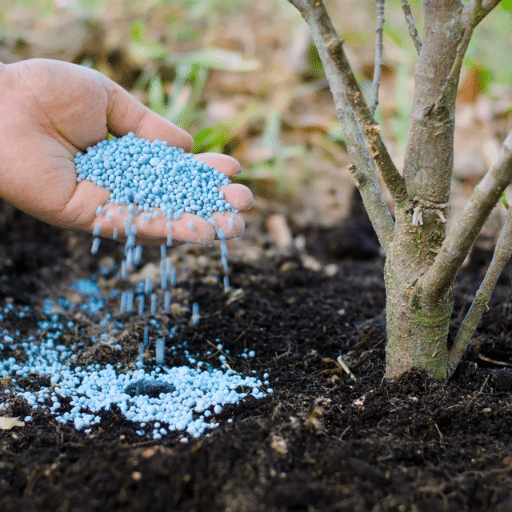
Organic fertilizer for cannabis is a plant nutrient product derived from natural sources such as animal matter and plant residue and mineral deposits. The fertilizer first helps the soil microorganisms which process organic material to create nutrients that cannabis roots can use. Organic fertilizers operate through microbial decomposition which leads to nutrient release that happens over extended periods while synthetic fertilizers deliver nutrients in their immediate ionic state. The fertilizers provide your plants with nutrition through secondary channels. The first stage of their process enables them to provide essential nutrients to soil microorganisms which include bacteria fungi and all other organisms that transform organic matter into nutrients usable by your cannabis roots.
The main organic materials used in cannabis cultivation consist of:
- Amino acids — building blocks for proteins that support cell division and enzyme production
- Humic and fulvic acids — natural compounds that chelate minerals, making them easier for roots to uptake
- Seaweed extract — rich in phytohormones, trace minerals, and stress-response compounds
- Compost and worm castings — microbial powerhouses that build living soil structure
- Bone meal, blood meal, and bat guano — concentrated sources of phosphorus, nitrogen, and micronutrients
The main distinction between synthetic nutrients and organic nutrients emerges from their application timing. The synthetic fertilizers provide their nutrients to plants through instant delivery of ionic elements which plants can use. Organic fertilizers require microbial decomposition that needs several days to several weeks to complete based on soil temperature and soil moisture and soil microbial diversity. The slower release of nutrients from organic fertilizers creates advantages for organic farming because it requires less precise management but makes farmers need to enhance their soil expertise.
For growers who want to keep their terpene content intact while achieving the purest product possible, organic fertilizer serves as the most reliable choice for cannabis cultivation. Many cultivators also explore natural fertilizer for marijuana cultivation as an entry point into organic growing before scaling up. The trade-off requires people to adapt their work methods to use biological systems instead of chemical processes.
Cannabis NPK Requirements: Organic Fertilizer for Cannabis by Growth Stage
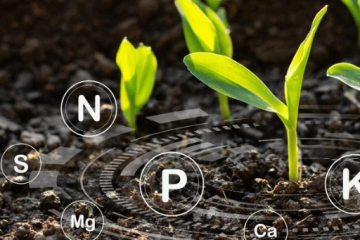
Cannabis requires substantial nutrients throughout its entire growth cycle from seedling stage until it reaches full maturity. The successful execution of organic farming requires farmers to comprehend the NPK nitrogen-phosphorus-potassium requirements that emerge during different growth periods of their crops.
Microbial Development Needs to Start During Seedling Period
Seedlings need minimum food for their growth. The root system of the plant which only exists in small size needs to avoid exposure to high nutrient levels. The main goal should be to create beneficial microbial populations. The plant receives light nutrients which come from a combination of worm castings and compost tea that has been diluted to a quarter of its original strength.
The target NPK ratio during this stage requires a 2-1-2 ratio while experienced growers prefer to use existing quality living soil without adding extra fertilizer.
Vegetative Stage: NPK 3-1-2 for Structure and Foliage
The vegetative phase marks the time when plants establish their structural framework needed to support future flower development. Nitrogen exists in this stage as the primary element because it produces chlorophyll while it creates amino acids and it enables plants to grow multiple branches.
Understanding cannabis NPK requirements is essential for organic growers. According to research published in PMC, organic cannabis growers need approximately 390 mg/L total nitrogen during vegetative stage to achieve equivalent uptake to synthetic-fed plants. That is more than double the 160 mg/L required in conventional hydroponic systems. The reason is simple: organic nitrogen must be mineralized by microbes before roots can absorb it.
The optimal organic nitrogen sources for growing cannabis plants during their vegetative stage include fish emulsion blood meal worm castings and alfalfa meal. The moderate phosphorus content of bone meal should be combined with these materials to aid root development.
Early Flowering: The Transition Period
Cannabis plants shift their energy from leaf development to flower creation when the light cycle changes to 12 hours of light and 12 hours of darkness. The most hazardous period occurs when people improperly manage nutrients during this critical time. The abrupt changes lead to three different outcomes which include stress and stalling and hermaphroditism.
You should complete your organic fertilizer transition for cannabis during a period of 10 to 14 days. Begin with a 75/25 ratio of vegetative and bloom inputs and then progress to 50/50 before reaching 25/75. The NPK target for this period should reach either 2-2-2 or 5-7-10.
Mid to Late Flowering: NPK 1-3-2 to 0-2-3 for Maximum Bud Development
Phosphorus and potassium take over as nitrogen fades. Phosphorus controls the development of flower sites and the production of trichomes. Potassium controls the movement of water along with the activation of enzymes and the transport of sugars into developing buds.
Research on soilless cannabis flowering found optimal phosphorus at approximately 59 mg/L P, far lower than the 150-200 mg/L many growers apply. Overdoing phosphorus in organic systems can lock out other nutrients and create environmental runoff.
Best organic sources for flowering include high-phosphorus bat guano, bone meal, kelp meal, and banana peel compost for potassium. Many growers apply molasses during late flowering to supply their soil microbes with carbohydrates that boost terpene production.
The Final Flush: When to Stop Feeding
In the last one to two weeks before harvest, cease all nutrient inputs. The process needs either plain pH-balanced water or light molasses flush to maintain microbial activity and enhance the final curing process. The flush removes residual salts and organic compounds, which results in smoother smoke and truer flavor expression.
|
Growth Stage |
NPK Ratio |
Key Organic Sources |
|---|---|---|
|
Seedling |
2-1-2 (light) |
Worm castings, compost tea |
|
Vegetative |
3-1-2 |
Fish emulsion, blood meal, alfalfa |
|
Early Flower |
2-2-2 |
Bat guano, bone meal, kelp |
|
Mid/Late Flower |
1-3-2 to 0-2-3 |
Bone meal, kelp, banana compost |
|
Flush |
None |
pH-balanced water, molasses |
Top Organic Fertilizer Options for Cannabis
Cannabis cultivation studies show that different organic inputs have different levels of effectiveness. The process of selecting appropriate organic nutrients for cannabis requires growers to select each nutrient according to their current growth stage and intended results. The following assessment shows the main categories according to their performance.
Nitrogen Sources for Vegetative Growth
- Fish emulsion delivers fast-acting organic nitrogen with a typical NPK around 5-1-1. The product exists as a liquid which enables users to distribute it through their watering systems. The product’s main drawback is its odor which attracts pests to indoor growing environments.
- Blood meal provides a concentrated 12-0-0 nitrogen boost. The product requires careful application because excessive use will damage roots and create too much growth in plants.
- Worm castings offer a gentle, microbially active 1-0-0 input that improves soil structure while feeding plants. The material functions as an excellent base amendment because it prevents users from exceeding its optimal application amount.
Phosphorus Sources for Flowering
- The traditional organic phosphorus source bone meal has a typical composition of 3-15-0. This fertilizer provides its nutrients over several months which makes it suitable for application during the beginning of the flowering stage.
- Bat guano comes in two types which contain high levels of nitrogen and phosphorus. High-P guano which has a composition of 0-12-0 delivers phosphorus that bone meal cannot match in terms of availability. You should select your sources with care because different sources and processing methods lead to major quality differences.
Potassium Sources for Bud Density
- Kelp meal which has a nutrient content of 1-0-2 delivers potassium and growth hormones and essential trace minerals and compounds that help plants survive stress. The product serves multiple purposes as an organic amendment for cannabis cultivation.
- Wood ash provides immediate potassium benefits but it causes major changes to soil pH. Test soil pH after using this product because its effects require careful monitoring.
Biostimulants: Humic Acid, Amino Acids, and Seaweed
Biostimulants do not directly feed plants in the traditional NPK sense. Instead, they enhance nutrient uptake, stress resilience, and metabolic efficiency.
A study published in Frontiers in Plant Science found that humic acid supplementation decreased THC by 37% and CBD by 39% in upper flowers while improving mineral uptake and spatial uniformity of cannabinoid distribution throughout the plant. Before you abandon humic acid, consider what this actually means: more even potency across the entire harvest rather than concentrated top colas. For commercial growers, this uniformity often translates to better overall yield value.
Amino acids serve as direct protein and enzyme building materials because their synthesis requires less energy than nitrogen assimilation. Seaweed extract provides cytokinins and auxins which control both cell division and root development processes. Agricultural research has shown that humic acid combined with other substances can increase crop yields by 30 percent across multiple crop types.
For cultivators seeking tailored organic fertilizer blends that match specific strain requirements, custom NPK formulations can integrate these biostimulants at precise ratios.
Organic vs. Synthetic Cannabis Fertilizer: What Research Shows
The organic versus synthetic debate generates strong opinions in cannabis cultivation. The trade-offs between organic and synthetic cannabis fertilizers require growers to base their decisions on scientific evidence instead of using personal beliefs. The research evidence as documented in peer-reviewed studies and through the data from large-scale agricultural operations provides us with needed information to investigate the situation.
Flavor and Terpene Differences
Organic growing consistently produces more complex terpene profiles. Microbial activity causes this phenomenon. Living soil contains various bacterial and fungal species which establish connections with plant roots through the rhizosphere. The plant produces secondary metabolites which include terpenes and flavonoids as a result of these interactions. The synthetic hydroponic systems enable growers to achieve precise control yet they lack the biological complexity found in natural systems.
An Oregon cultivator established a 5,000-plant operation which operated two growing systems. He switched half his facility to living soil with organic inputs while the other half continued using synthetic salts. The third-party lab conducted blind testing which revealed organic testing results showed 15-20% higher total terpene content than synthetic testing results across three strains. The synthetic side produced 8% more biomass but its wholesale value was 25% lower because of poor aroma and flavor assessments.
Yield Comparisons
Controlled environments show that synthetic nutrients create faster vegetative growth which results in higher total dry weight production. The performance gap between organic growing and organic growing with proper microbial inoculation in living soil shows significant reduction.
The Virginia Tech 10-year study on humic acid and seaweed extract combinations reported yield increases up to 50% in treated crops compared to untreated controls. The mechanism which improves nutrient bioavailability and root health does not belong to cannabis but still functions as a direct application.
Environmental Impact and Runoff
The environmental problem of synthetic nutrient runoff has been documented. Chemical fertilizers introduce excessive nitrogen and phosphorus into waterways which creates conditions for algal blooms and dead zones. Organic fertilizers bind to soil organic matter and release slowly which results in significant reduction of leaching potential.
For commercial operations facing increasing environmental scrutiny and regulatory compliance requirements, organic cultivation offers a defensible, sustainable path forward.
The Bottom Line
Organic fertilizer for cannabis cultivation delivers lower top-end yields but creates better environmental and commercial benefits through improved product quality. The execution process serves as the main factor that determines success because specific organic farming methods require proper management to achieve their best results.
How to Apply Organic Fertilizer for Maximum Results

The battle begins when you learn about feeding methods. The success of your cannabis organic fertilizer depends on how you apply it because your application method will determine its effectiveness or its complete failure to work in your fields.
Soil Preparation and Microbial Inoculation
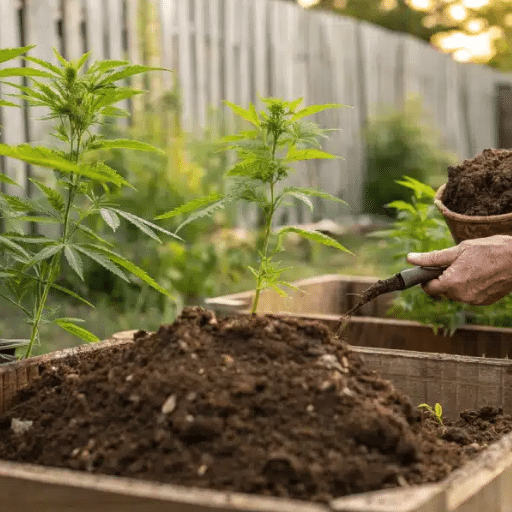
Begin with high-quality soil which contains compost material at a rate of 20 to 30 percent by volume. The mycorrhizal fungi and beneficial bacteria strains Bacillus subtilis and Trichoderma need to be used as inoculants. These organisms create symbiotic connections with cannabis roots which enable them to reach more nutrients through extended root systems.
Top-Dressing vs. Liquid Feeding
Top-dressing involves spreading dry amendments on the soil surface and watering them in. This method feeds soil biology over weeks and is ideal for slow-release organic inputs like bone meal and kelp meal.
The use of compost teas or diluted fish emulsion for liquid feeding provides plants with immediate access to nutrients. The majority of growers practice a combination approach which involves applying top-dress at the beginning of every growth phase while they apply liquid feeds at 7 to 10-day intervals.
pH Management for Organic Cannabis
Even organic systems use pH measurement to control nutrient availability. Target ranges:
- Soil: 6.0 to 7.0, ideally 6.2 to 6.8
- Coco coir or peat: 5.8 to 6.2
- Hydroponics: 5.5 to 6.0
The pH of organic soil maintains a stable range because microbial processes and humic substances create a self-buffering effect. We will conduct weekly pH tests on runoff and use dolomite lime for pH increases and elemental sulfur for pH decreases instead of using strong chemical pH control solutions.
Reading Plant Signals
Your plants tell you what they need if you know how to listen.
The flower shows nitrogen excess through its dark green waxy leaves which have clawed tips. The flower shows delayed onset because of decreased bud density.
Phosphorus deficiency: Dark bluish-green leaves with purple or red stems. The flower development shows stunted growth which results in smaller buds.
Potassium deficiency: The leaf edges start to yellow and brown which first appears on older leaves. The stems become weak which makes them unable to hold up the weight of the buds.
Compost Tea Recipe for Cannabis
A properly prepared compost tea provides both soluble nutrients and trillions of helpful microorganisms. Here is a proven recipe:
- Fill a 5-gallon bucket with dechlorinated water
- Add 2 cups of high-quality worm castings or compost
- Add 1 tablespoon of unsulfured molasses which serves as microbial food
- Add 1 teaspoon of kelp meal or liquid seaweed
- The aquarium pump should operate with strong air movement for 24 to 36 hours
- The solution needs to be strained and used either at full strength or at 1:1 dilution which is suitable for young plants
The tea should be consumed within 4 hours after brewing because this period ensures the highest level of microbial survival. The substance should be applied to soil or used as a foliar spray which enables plants to quickly absorb nutrients.
Choosing Certified Organic Fertilizers for Commercial Cultivation
Home growers can test various boutique products through their home cultivation experiments. Commercial operations must maintain consistent performance because any operational failure will result in their inability to function. The process of obtaining trustworthy organic fertilizer for large-scale cannabis cultivation requires businesses to use verified suppliers who deliver consistent product formulas and necessary documentation.
Why Certifications Matter
The organic fertilizer markets which lack regulation have products which contain inconsistent nutrient levels and secret components as well as dangerous levels of heavy metals. The certifications deliver guaranteed product quality through approved verification methods.
- REACH certification ensures compliance with European chemical safety standards, verifying that products do not contain restricted substances
- SGS certification provides independent third-party testing for quality, composition, and safety
- Bureau Veritas certification ensures that companies comply with international standards for quality management during their manufacturing operations
For cannabis cultivators operating in regulated markets, using certified inputs protects against crop failures, failed lab testing, and regulatory penalties. A single contaminated fertilizer batch has the power to destroy an entire harvest while forcing expensive cleanup operations to take place.
Custom NPK Blending for Strain-Specific Needs
The response of different cannabis strains to identical nutrient profiles shows variation between strains. Indica-dominant varieties require less nitrogen during their stretch period. Sativa-leaning hybrids may benefit from extended vegetative feeding. High-terpene cultivars show enhanced growth response to sulfur and micronutrient supplements.
Custom NPK blending allows commercial operations to dial in precise ratios for their genetic library rather than settling for one-size-fits-all products. The system enables growers to achieve maximum output together with improved product quality.
Bulk Sourcing and Supply Chain Reliability
Fertilizer shortages during production processes cannot happen. Commercial growers need suppliers who can deliver consistent product at volume, on schedule, anywhere in the world.
A cultivation director in Spain learned this the hard way when her local organic nutrient supplier discontinued their bloom formula with no warning during week three of flowering. She needed to find new products from three different vendors who provided nutrient solutions. The resulting nutrient imbalance cost her facility an estimated 12% in final yield and delayed harvest by five days.
Reliable global supply chains with backup inventory and consistent formulation batch-to-batch eliminate this risk.
Export Compliance for International Markets
International rules for exporting cannabis fertilizer products create challenging requirements which exporters must follow. Products which cross international borders must have complete documentation and correct product labels and they must meet the agricultural standards of the destination nation. The company should work with a manufacturer who has knowledge of international logistics because this partnership will help them avoid customs delays and regulatory rejections.
At SHANDONG LOYAL CHEMICAL, we produce REACH, SGS, and BV certified organic fertilizers tailored for cannabis cultivation. Our custom blending capabilities and global distribution network support operations from boutique grows to multi-acre commercial facilities.
Common Mistakes When Using Organic Fertilizer for Cannabis

Growers who have experience still find themselves unable to operate organic farming methods. The following section presents the most expensive mistakes which people make together with methods for their prevention.
Overfeeding and Nutrient Burn
Organic farming practices do not create less harmful environmental effects. Blood meal, bat guano, and concentrated fish hydrolysate can burn roots just as severely as synthetic salts. Always start at half the manufacturer’s recommended rate and increase gradually based on plant response.
Ignoring Soil pH
Organic growers sometimes assume living soil self-corrects everything. Healthy soil maintains strong buffering capacity but it still experiences nutrient lockdown during extreme pH changes. The system requires regular testing which demands proactive adjustments.
Switching Nutrients Too Abruptly
The transition period between vegetative and flowering nutrition requires 10-14 days. The organism experiences growth problems following sudden dietary modifications which result in hermaphroditism for its highly sensitive genetic makeup.
Neglecting Microbial Health
Active soil biology forms the essential foundation for cannabis growth when organic fertilizer gets used. Microbial populations face destruction from three factors which include chlorinated water and excessive salt buildup and broad-spectrum pesticides. The system requires dechlorinated water together with controlled salinity levels and pest control methods that support biological growing.
Using Unverified or Uncertified Products
The organic amendment market includes products with undisclosed ingredients, inconsistent nutrient analysis, and potential contaminants. For commercial operations, certified products from audited manufacturers are not optional. They function as security against risk.
Conclusion
Cannabis growers who use organic fertilizers achieve their goals through environmentally safe methods that produce superior results. To achieve success in organic farming missionaries must realize that organic agriculture depends on biological processes rather than chemical methods. You need to feed soil microorganisms while you should apply NPK ratios according to each growth stage and use certified products from trustworthy vendors.
The main points of the document reveal the following facts:
- Organic cannabis requires approximately 390 mg/L nitrogen in vegetative stage and 260 mg/L in flowering. This requirement exceeds synthetic nitrogen needs by more than two times.
- Transition nutrients gradually over 10-14 days when shifting from veg to flower
- Biostimulants like humic acid, amino acids, and seaweed extract improve plants’ ability to absorb nutrients and their capacity to withstand stress.
- Certifications including REACH, SGS, and BV protect commercial operations from contamination and compliance failures
- Custom NPK blending optimizes results for specific strains and growing conditions
The same principles apply whether you operate a home garden with ten plants or a commercial facility with ten thousand plants. Healthy soil grows healthy plants. Certified inputs deliver consistent results. Your sustainable practices will safeguard your harvest while protecting the environment.
Ready to source certified organic fertilizer for your cannabis operation? Explore our customized fertilizer solutions or contact our team to discuss a tailored NPK blend for your specific strains and growing conditions. We deliver certified organic products worldwide, backed by REACH, SGS, and BV quality assurance.