
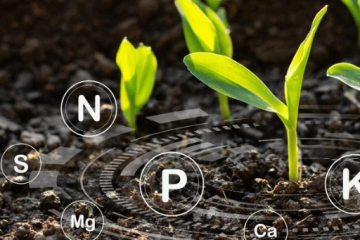
Marcus Chen watched his corn yields stall for three straight seasons. He applied the fish emulsion product which gardening blogs named “the best organic nitrogen fertilizer” yet his plants showed weak growth until July. The agronomist showed him the actual issue which needed fixing. Fish emulsion provides nitrogen to plants at a rapid rate while corn requires continuous nitrogen application throughout its growth period. Marcus switched from using fish emulsion to feather meal. The next harvest? The 14% yield boost produced greener stalks which remained intact until August.
You have probably read dozens of “best organic nitrogen fertilizer” roundups. The majority of these articles get written by affiliate marketers who lack first-hand experience with formulation labs and field testing of release curves. Farmers and distributors and agricultural buyers require more than star ratings to evaluate their needs. You need NPK science, microbial breakdown timelines, and cost-per-acre economics. This guide delivers exactly that.
The five main organic nitrogen sources will undergo examination through their performance capabilities and application potential and commercial availability. The study will teach you how to select nitrogen types according to different crop development stages while explaining the reasons behind product differences between retail items and commercial products and providing insights into global sourcing from a manufacturer’s viewpoint. The article provides usable information to anyone who needs to manage 1000 acres of land or acquire products for retail chains.
Want to explore how certified organic nitrogen formulations can improve your crop program? Browse our organic nitrogen fertilizer solutions →
What Is Organic Nitrogen Fertilizer?
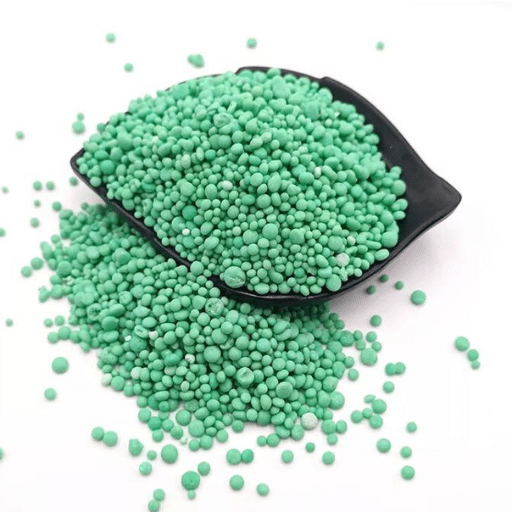
Organic nitrogen fertilizer delivers nitrogen through carbon-based compounds derived from plant or animal matter. Organic sources need microbial decomposition because they release nitrogen through organic sources which produce their nitrogen content in ionic form. Soil bacteria decompose proteins and amino acids and other organic substances to produce ammonium (NH₄⁺) which transforms into nitrate (NO₃⁻). The biological process creates a natural time-release system which supports both soil health development and plant nutrition.
Synthetic nitrogen functions like a caffeine injection into the human body. It produces a rapid increase which reaches its maximum point before it disappears from the body. Organic nitrogen behaves more like a balanced meal. The release speed of organic material depends on four factors, which include soil temperature and soil moisture and microbial activity and the specific molecular structure of the organic material. Blood meal contains water-soluble proteins which decompose within a 1 to 3 week period. Feather meal’s keratin structure takes 3 to 4 months to decompose. The difference between these two methods of decomposing organic materials creates a vital aspect which determines your fertilization calendar.
The global organic fertilizer market reached approximately USD 14.2 billion in 2025, according to Fact. MR, and nitrogen-rich organics represent one of the fastest-growing segments. Farmers are not just chasing sustainability labels. They are recognizing that organic nitrogen improves soil structure, water retention, and long-term fertility in ways that synthetics cannot replicate. However, the benefits only materialize when you select the right source for the right crop at the right time. To learn more about Organic Fertilizer, please refer to our accompanying guide: Organic Fertilizer: The Complete Manufacturer’s Guide to Types, Benefits & Application
The 5 Best Organic Nitrogen Fertilizers: Technical Breakdown

Different types of organic nitrogen show distinct performance characteristics. The “best organic nitrogen fertilizer” for your lettuce seedlings is probably the wrong choice for your commercial corn operation. The five most effective organic nitrogen sources will be analyzed through both manufacturer’s evidence and agronomic assessment.
Blood Meal (13-0-0): The Fast-Acting Powerhouse
Blood meal stands as the most nitrogen-rich organic fertilizer which exists. The product contains an NPK ratio of approximately 13-0-0 because it uses dried animal blood which undergoes flash-heating from inspected meat processing plants. The heat treatment process eliminates all pathogens while increasing protein content. Soil microbes can quickly decompose those proteins because they exist in a water-soluble form.
The process will produce visible greening results between 1 and 3 weeks. Normal conditions will keep total nitrogen availability active for approximately 4 to 6 weeks. Blood meal exists as a fully soluble product which enables its use in irrigation systems as a soil drench application. The product serves as an excellent solution for leafy vegetables and for lawns which require fast green-up and for rescue applications where nitrogen deficiency already shows.
The product contains an active ingredient which delivers effective results but presents danger. Excessive application results in nitrogen burn together with stunted growth and delayed flowering. The strong odor of blood meal attracts both wildlife and pet animals. For optimal results, the product needs to be mixed with soil at a depth between 2 and 4 inches then followed by thorough watering. Application rates typically run 7–10 lbs per 1,000 sq ft for lawns, or 1–2 lbs per 100 sq ft for garden beds.
Feather Meal (12-0-0): The Slow-Release Champion
Feather meal delivers nitrogen in its slowest organic form. The product exists as a hydrolyzed poultry feather derivative with an NPK value of 12-0-0. Keratin, which exists as a durable fibrous protein, holds the nitrogen in a form that water cannot dissolve. Soil microbes need to use enzymes to break down keratin because plants depend on this process to access nitrogen. The system provides continuous nitrogen release that supports crop growth during a period of three to four months.
Feather meal serves as the top organic nitrogen fertilizer which supports extended growth periods for corn tomatoes brassicas and orchard crops. The product also works effectively for lawns which require continuous color retention without needing multiple applications. The probability of burning occurs at a minimal level because the release process depends on microbial activity instead of immediate chemical release.
There is one caveat. Microbial activity at its highest level needs temperatures of 50 °F or higher to begin work. The process of breakdown through cold or sterile soil conditions experiences a significant decrease in speed. Apply it 2–4 weeks before planting so decomposition has time to begin. The standard commercial application rate for row crops ranges between 750 and 1,000 pounds per acre.
Fish Emulsion (5-1-1): The Liquid Rescue Shot
Fish emulsion exists as a liquid concentrate which manufacturers create from fish processing waste products that have been cooked and pressed and fermented. The NPK typically sits around 5-1-1, which is lower than blood or feather meal. The numbers should not deceive you. The nitrogen becomes accessible to plants within days because the fish material has undergone partial decomposition.
This product works best for foliar feeding and for recovering from transplant shock and for gardening in containers. The standard dilution requires 1 to 2 tablespoons of product for each gallon of water to be used every 2 to 4 weeks throughout the growing period. One gallon of quality fish emulsion can cover approximately 8,000 sq ft when diluted properly.
The delivery system of fish emulsion provides micronutrients and amino acids and enzymes which enhance soil biological activity. To achieve organic certification look for OMRI-listed products that do not contain synthetic urea as an additional ingredient. The trade-off? The smell can still be noticeable, and frequent reapplication means higher labor costs.
Bat Guano: High Nitrogen Plus Micronutrients
Bat guano is an organic nitrogen source harvested from bat colonies, which contains high-nitrogen varieties that are rated between 8-0-0 and 10-0-0. The product provides an intermediate option which combines the rapid effects of blood meal with the slow release properties of feather meal. Guano also contains trace minerals like calcium, magnesium, and sulfur, which support overall plant metabolism.
The product functions effectively for vegetable and flower cultivation along with greenhouse production because it delivers both nitrogen and essential micronutrients to growers. The product experiences supply problems because different sources deliver products with various quality levels. From a commercial manufacturing perspective, bat guano is harder to standardize than blood meal or feather meal. The farming industry prefers products with stable prices and dependable supply chains because these factors determine their purchasing decisions.
Composted Manure and Worm Castings: The Soil Builders
The nitrogen content of composted manure and worm castings functions as a gentler nitrogen source which provides a nitrogen range between 1-1-1 and 3-2-2 NPK. The product provides quick green-up for plants through blood meal and concentrated protein content through feather meal which both products deliver. The product delivers risk-free nutrition through its continuous supply which benefits soil biology at a considerable level.
The materials enhance soil structure while improving water retention and expanding the range of microbial life present. The materials serve perfect functions for soil amendment programs and organic vegetable gardens because they work as a base layer that needs planting. Composted manure and worm castings provide perfect solutions for people who want to achieve soil health without using nitrogen-based solutions. Commercial operations should use these materials as primary inputs instead of using them as only nitrogen-based products.
Ready to see how these organic nitrogen sources perform in a real crop program? Contact our agronomy team for a free formulation consultation →
Quick Comparison: Organic Nitrogen Sources at a Glance
|
Source |
Typical NPK |
Release Speed |
Best For |
Burn Risk |
|---|---|---|---|---|
|
Blood Meal |
13-0-0 |
Fast (1–3 weeks) |
Leafy greens, lawns, rescue shots |
Moderate |
|
Feather Meal |
12-0-0 |
Very slow (3–4 months) |
Corn, tomatoes, long-season crops |
Very low |
|
Fish Emulsion |
5-1-1 |
Fast (days to weeks) |
Foliar feed, transplants, containers |
Low |
|
Bat Guano |
8-0-0 to 10-0-0 |
Medium (2–6 weeks) |
Vegetables, flowers, greenhouses |
Low |
|
Composted Manure |
1-1-1 to 3-2-2 |
Very slow (months) |
Soil building, base amendments |
Very low |
How to Choose the Best Organic Nitrogen Fertilizer

The process of determining an optimal source requires three essential elements which include the specific crop type and current growth stage and the operational requirements for application. The product will not meet its expected performance level when any of these components are incorrectly selected. To learn more about Types of Organic Fertilizers, please see our accompanying guide: Types of Organic Fertilizers: A Complete Guide for Gardeners and Commercial Growers
Match the Source to the Crop
The three leafy vegetables lettuce spinach and kale require rapid grow their vegetative parts. The vegetables achieve their best results when they receive nitrogen from blood meal or fish emulsion which act as immediate nitrogen solutions. The tomatoes and peppers which belong to the fruiting crop group require nitrogen during their growth phase to develop leaves while too much nitrogen during the later growth phase will decrease their fruit production capacity. The feather meal which farmers apply during planting time gives plants early nitrogen support but it causes a yield reduction when plants receive excess nitrogen during their growing period.
Turfgrass requires continuous green appearance throughout multiple months because feather meal and slow-release granular organics deliver extended color to the turf. Corn is a heavy nitrogen feeder with a long growing season. Commercial organic corn farmers commonly implement a split feeding method which combines feather meal application at the start with fish emulsion application during the middle of the growing season to address nutrient deficiencies detected through tissue testing.
Fast-Acting vs. Slow-Release Timing
Your emergency solutions come from fast-acting organic materials. When you observe lower leaves turning yellow and plants experiencing both stunted growth and post-transplant shock. Your base for building operations comes from slow-release organics. When you require nutrition which will deliver continuous supply from one application to all demanding periods of crop growth you should select this option.
The concealed factor that influences this situation is soil temperature. Microbial activity becomes necessary for organic nitrogen movement to take place. The blood meal will act with reduced effectiveness because your soil temperature remains below 50 °F. Feather meal becomes almost inactive in cold spring soil conditions. You can only use liquid fish emulsion as your organic solution until the temperatures start to increase.
Certifications: OMRI, REACH, SGS, and BV
The retail industry requires products to have both OMRI Listed and USDA Organic certifications as essential requirements. Retail buyers expect these labels, and many garden centers will not stock uncertified organic claims. The requirement for European Union export markets mandates REACH certification, while SGS and BV certifications hold greater importance. The product provides proof that your fertilizer complies with European safety standards and quality assurance systems and international regulatory standards.
All our organic nitrogen products at SHANDONG LOYAL meet REACH and SGS and BV product standards. Our company supports OMRI-listed formulations, which we provide to retail customers and certified organic farming partners. You must select a certification according to your market requirements because third-party verification establishes trust, which enables you to enter new distribution channels.
Application Rates and Best Practices
The correct usage of organic fertilizers allows farmers to achieve successful results while preventing their materials from becoming ineffective. The following guidelines represent field-tested standards which apply to the three most common organic nitrogen sources.
Blood Meal Application Guidelines
For lawns the user should broadcast 7 to 10 lbs per 1,000 sq ft and then rake the material into the top 2 inches of soil. The user should apply 1 to 2 lbs per 100 sq ft for vegetable beds. The user should apply 1 to 2 tablespoons of material for each plant through side dressing. After application users must water the area to create nitrogen activation while stopping surface nitrogen loss through volatilization. The user should reapply every 4 to 6 weeks during active growth.
Feather Meal Timing and Soil Temperature
The user should mix feather meal into the top 3 to 4 inches of soil 2 to 4 weeks before planting. The user should apply 2 to 6 lbs per 100 sq ft for new gardens or poor soil conditions. For commercial row crops the standard application rate ranges between 750 to 1,000 lbs per acre. The user must maintain uniform moisture levels throughout the soil. Microbial activity decreases during drought conditions which leads to reduced nitrogen release.
Fish Emulsion Dilution and Foliar Protocols
The user should mix 1 to 2 tablespoons of product with one gallon of water for soil drenches. For foliar sprays the user should apply a diluted solution of 1 tablespoon per gallon which should be used during early morning or late evening to prevent leaf damage. The user should repeat the process every 2 to 4 weeks throughout the growing season. The user should avoid applying foliar sprays when the sun shines directly overhead during midday hours or when temperatures reach 85 °F.
Elena Ruiz operates a distribution business which provides materials to garden centers throughout the Pacific Northwest. Two years ago she obtained a standard fish emulsion product for her retail customers. High returns resulted from customer complaints about product performance. Customers complained about inconsistent color, clogging sprayers, and an overpowering odor. Elena switched to a hydrolyzed fish supplier with enzyme-based cold processing. The new product filtered cleanly, smelled milder, and held proteins that the heat-rendered emulsion had stripped away. The return rate decreased by 80% while the reorders increased by 100%. The quality of manufactured products determines how effectively they perform in actual operational settings.
Commercial vs. Consumer Organic Nitrogen Products

A big-box retailer store displays organic nitrogen fertilizers which come in small bags that have attractive designs and contain low nitrogen and phosphorus and potassium(NPK) content. The products are made for home gardeners who want to use them in their gardens instead of for commercial farming purposes. When you need to do bulk sourcing you must understand how these two paths different from each other.
Why Retail Products Prioritize Convenience
Organic fertilizers available to consumers contain NPK values that range from 3-2-2 to 6-4-0. The products Package their contents in small bags which include odor-control features and make it simple to distribute the granular material. The products provide safe usage and easy handling with reduced risk of burn injuries instead of delivering the highest nitrogen content. The solution works effectively for homeowners who need to fertilize their 500 square foot yard. The solution works well for homeowners who need to care for their 500 square foot lawn space.
What Commercial Buyers Need
Commercial-grade organic nitrogen fertilizers are typically sold in bulk totes, rail cars, or equipment-compatible dry formulations. The products offer higher analysis results which contain fewer additives while their prices are designed to product cost-per-acre benefits instead of cost-per-bag advantages. Blood meal and feather meal for commercial use are often unbranded commodities or custom blends tailored to specific soil tests and crop programs.
The Hidden Cost of Small-Package Retail
Retail organic lawn fertilizer sells in stores at a price range between $25 and $30 for each 10 lb. bag. The total cost equals more than $1000 for each acre of land. The price of commercial bulk blood meal or feather meal products allows customers to save between 60 and 80 percent of their expenses. Commercial farms need to buy their fertilizers through retail stores because retail store purchases create financial problems for their business operations. Commercial operations should always use organic nitrogen fertilizers which they can acquire directly from manufacturers as bulk products.
B2B Sourcing and Manufacturing Insights
The global nitrogenous fertilizer market was valued at approximately USD 67.4 billion in 2025, according to Grand View Research. Organic nitrogen represents a growing niche within that total. For distributors, retailers, and private-label entrepreneurs, several trends are reshaping the sourcing landscape.
Global Supply Dynamics
Blood meal production depends on the quantity of meat processing which results in North and South America being the main production areas. The supply of feather meal originates from poultry processing which has major production centers in the United States, Brazil, and Southeast Asia. Fish emulsion production relies on seafood processing waste which creates strong distribution networks through coastal areas and aquaculture production centers.
European, Asian, and Middle Eastern buyers benefit from supply security which SHANDONG LOYAL offers as a global manufacturer. Our network which sources materials from multiple suppliers protects clients against production interruptions that affect specific areas.
Custom NPK Blending Opportunities
Plants require more complete nutritional support than pure nitrogen sources provide. Most commercial programs blend organic nitrogen with phosphorus and potassium inputs. Blood meal and bone meal are commonly used together because blood meal provides protein while bone meal provides phosphorus. Feather meal is combined with either potassium sulfate or kelp meal to provide potassium and essential trace elements.
Custom blending allows you to create region-specific or crop-specific formulations. A greenhouse tomato grower in Spain needs a different NPK profile than a rice farmer in Vietnam. Formulation labs which manufacturers operate their own facilities use soil and weather data to develop custom blends that match specific crop needs.
Private-Label and OEM Growth
The liquid organic fertilizer segment is growing at a 13.2% CAGR because people want to use it for precise application and gardening at home. Retailers who want to create their own branded organic nitrogen products can benefit from the growth of this market. OEM manufacturing partnerships enable garden centers and farm cooperatives and e-commerce brands to sell certified organic fertilizers without needing to create their own production facilities.
How SHANDONG LOYAL Delivers Premium Organic Nitrogen Solutions

SHANDONG LOYAL CHEMICAL CO., LTD. produces organic nitrogen fertilizers which meet all international quality standards. All our production facilities hold REACH, SGS, and BV certifications which guarantee that our products maintain required quality and safety standards for each production run.
Our company produces a complete selection of organic nitrogen products which features blood meal, feather meal, fish-based fertilizers, and personalized NPK product combinations. Our company provides customized solutions which include bulk dry fertilizer for commercial agriculture and retail-ready products for garden centers and private-label liquid products for e-commerce.
Our worldwide logistics system operates throughout Europe and North America and Southeast Asia and Africa and the Middle East. We provide flexible packaging options which begin at 25 kg bags and extend to full bulk rail shipments while working with clients to create optimal formulations for their specific soil and crop needs.
A regional garden center chain in Germany recently partnered with us to develop a private-label slow-release organic lawn fertilizer. The product combined feather meal, humic acid, and a natural binding agent. It matched the retail price point of major brands while delivering a higher nitrogen analysis and OMRI-listed certification. The product achieved top sales during its first season at the chain. The difference between manufacturer expertise and other manufacturers creates a distinct advantage.
Looking for a certified manufacturer to supply your organic nitrogen fertilizer program? Get a customized quote from our team today →
Conclusion
The optimal organic nitrogen fertilizer does not exist as a single item. The appropriate product needs to match both the specific crop and its current growth stage and the selected application technique. Blood meal provides rapid delivery of concentrated nitrogen which supports both vegetative growth and emergency situations. Feather meal delivers gradual nutritional support which sustains long-term growth in crops such as corn and tomatoes. Fish emulsion provides immediate nutritional support through its liquid form which customers can use for both foliar sprays and transplanting processes. The program needs each element to fulfill its specific function within the framework of a deliberately developed agricultural program. To learn more about How to Apply Organic Fertilizer, please refer to our accompanying guide: How to Apply Organic Fertilizer: Step-by-Step Guide for Home Gardens and Commercial Farms
The NPK values hold equal importance to commercial farmers and distributors who need to understand the complete operational picture. Organic nitrogen products found in retail markets serve customer convenience purposes rather than their actual cost per acre benefit. The cost-effective agricultural practice of sourcing bulk products directly from manufacturers enables farmers to use organic nitrogen at large-scale operations. The process of custom blending with certification creates advantages that transform ordinary commodity materials into valuable business assets.
SHANDONG LOYAL offers manufacturing capabilities and logistical support and agronomic knowledge to assist customers who need certified organic nitrogen fertilizers or custom product development for their markets. Contact us today for a consultation that will help you achieve your distribution targets and crop program objectives.