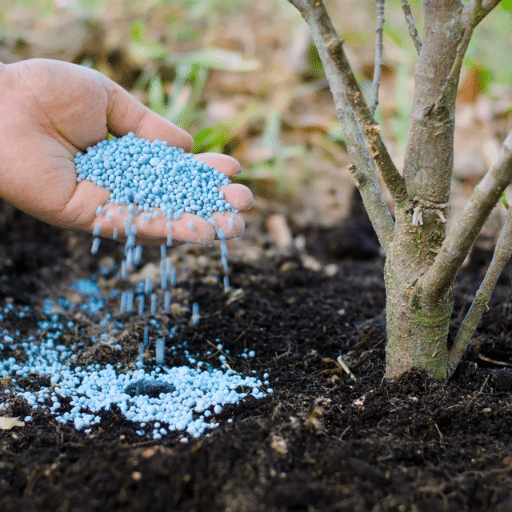

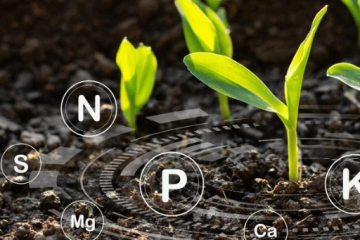
In spring, during the year before the previous spring, Maria had spread three bags of blood meal on the beds meant for tomatoes. All that she could see in her plants in July was a huge clump of leaves, crowding one another, without even a hint of a tomato in sight. This means that while the plant had got what it wanted from the nitrogen in the blood meal — promoting tip-top foliage, remember — it had stood helplessly being short of the phosphorus content of the soil.
Maria’s story is more than common. At any garden center, there are shelves lined with bone meal, fish emulsion, composted manure, seaweed extract, and a host of other items. Every product guarantees good plants and good yield.
There is also some guesswork in using any item if you do not know how it works. And guess is a waste of time, money, and potential harvest.
This guide puts to bed all guesswork. It goes to explain the four main categories of organic fertilizers, their nutrients in detail, and how to match up to soil, crop, and scale. To learn about the best organic fertilizer for tomatoes, please read: Organic Tomato Fertilizer: The Complete Guide to Bigger, Healthier Harvests
The same principles apply whether you are growing a tiny backyard vegetable garden or are managing hundreds of acres for a hospital farm. Test the soil first. Then find out what nutrients are deficient in the soil and find a type of fertilizer that will enrich those one that is needed.
Shandong Loyal Chemical Company Manufactures and exports an organic fertilizers from five continents. Equipments are inspected in a certified lab and field trails must be completed before it ever goes on to a farm. This production perspective is what sets this guide apart from any garden blog that makes every search.
Want to skip the research and get a soil-test-based recommendation? Our agronomy team formulates custom organic NPK blends tailored to your specific field data. Contact us for a free consultation.
What Are Organic Fertilizers?

Organic fertilizers refer to fertilizers that are nutrient sources derived from predominantly natural plant, animal or mineral materials, a contrast to chemical fertilizers which provide nutrients in readily available chemical forms. The nutrients are released slowly upon interactions with microorganisms in the soil. This microbial activity is beneficial in improving the structure and fostering microbial diversity in the soil, as well as building long-term fertility of the soil.
The global organic fertilizer market surpassed the $15 billion returns land in 2026 and observes a growth rate ranging between 5.7% and 8.4% per annum, states industrial analysts. A major reason for the expansion would suggest a very paradigm shift. Regardless of where they are, farmers and growers are leaving behind the synthetic-only programs. Towards inputs that will help improve soil health as they nourish the crop, solid concentrate on improving this shift.
When comparing organic fertilizers with their synthetic peers in practical terms, the disparity starts to show. If you applied synthetic urea, probably 46% nitrogen would be delivered by application. In contrast, organic UV fertilizer like feather meal is probably carrying, for example, 12% to 15% N.
Chemists. Inorganically, in a quick fashion. Organics, conversely, have a certain slant toward the languid. They nourish the soil for reasons which include not just decomposition issues, but also opt for a less porous texture, incrementing the capacity of the soil to hold water by approximately 20% or more by the end of a couple of seasons. The most capable farmer frets about the overdevelopment of all these three-part paving systems.
An organic product should be chosen after careful thought because it feeds differently. A plant-based rotting goes very quickly because it composts and conditions the soil, while an animal one causes potentially fatal plant damage.
Inorganic soil enhancers are slow-acting for several years instead of for a few weeks. Growth-promoting biological organisms in biofertilizers simply just enhance the release of nutrients to their plant counterparts in the soil. To learn about the best organic nitrogen fertilizers, please read: Best Organic Nitrogen Fertilizer: A Manufacturer’s Guide to Types, Performance & Sourcing
How Organic Fertilizers Are Classified
Before diving into the world of organic fertilizers, it is beneficial to comprehend the classification system. The organic fertilizers are classified into four main criteria, each of which provides an opportunity for their specific extended use in the field.
By Source Material. This is the easiest to understand. Nitrogen sources for a fertilizer are like an animal and plant material, brown matter, crop residues, compost, and seaweed. Phosphate sources are like animal manure, bone matter, and fish meal. Potassium comes from wood ash, sea plants, and manures.
Mineral-Based fertilizers are mined from natural deposits of rocks. Bio-fertilizers harness living microorganisms to whitespace colonize the roots and improve nutrient uptake.
By Nutrient Release Speed. Quick-acting fertilizers, including fish emulsion and liquid seaweed, will help improve your crops in only a few days. Slow-release ones, such as calcium phosphate, bone meal, and compost, disperse over many months and even years. Depending upon your crop’s growing stage and the timing of applications, either can be preferred.
Institute Which form for physical form: it goes without saying that liquid concentrates make excellent foliar and drip-irrigation applications. Granular and pelleted formis follow breakthrough up easily onto bigger farms and break down so slowly.
Powders mix very well into sod or te toes. Cakes are usually popped and made to disintegrate.
Per Certification. Some other criteria should be kept into account, see to it, for instance, that any fertilizers are OMRI Listed and comply with organic production standards in North America.
Recent changes in EU law said that it was mandatory for a product to comply with The REACH requirements if entering into Europe.
SGS & BV are Swiss and Dutch institutions for maintaining trust between all parties on mutually agreed-upon terms and verifications of correct quality, purity, and batch manufacturing consistency. In those instances involving export and certified organic farming, documents could be important.
Looking for certified organic fertilizers with full export documentation? We supply OMRI-eligible, REACH-compliant organic fertilizers with SGS and BV batch certificates. View our organic fertilizer product range.
Plant-Based Organic Fertilizers
Compost provides a strong foundation for almost all organically grown programs. By the time it is applied, compost usually has an N:P:K of around 1:1:1, though these ratios will vary depending on what was used in the stock feed. It enhances moisture retention, adds plenty of organic matter and beneficial microbial activity for the garden, and ensures good drainage.
One may apply 5-20 tons of the compost per hectare in accordance with the soil conditions; hence, it is the safest organic fertilizer, with no risk of burning plants by being applied at reasonable rates.
Alfalfa meal at about 2.5% nitrogen, 0.5% phosphorus, and 2 % potassium “helps activate compost piles and makes an excellent early-season fertilizer.” Of the various trace minerals and natural growth stimulants in it, alfalfa supports root development and builds general plant vigor.
Because cottonseed meal is 6% nitrogen, with phosphorous and potash also present, it can be deemed slightly acidifying for the soil, suitable for those crops that demand lower pH. When used as a top dressing, cottonseed meal could also suppress weed germination.
The magic for the kelp and seaweed extracts lies in their microscopic nutrients. They contain over 60 trace minerals, cytokinins, and elements that put plants back on track after droughts, transplanting them in extreme heat. Liquid seaweed is an immediate remedy and typically applied as foliar spray during extreme growth conditions.
Green manure and cover crops are produced specifically to be tilled back into the soil. The clover, alfalfa, cowpeas, and vetch plants fix atmospheric nitrogen and contribute to organic matter when they are turned under. This is the best, least expensive fertility choice for large fields because the input is seed and time, not some purchased product.
Diverse amounts of protein are accessible from both animal and vegetable matter, with the protein yield derived from various types of grains. Among the widest grown sources of protein, corn gluten meal fits the bill nicely due to its weed control application in plants growing from seed. To learn about the best organic fertilizers for fruit trees, please read: Best Organic Fertilizer for Fruit Trees: A Manufacturer’s Guide to Healthier Harvests
Animal-Based Organic Fertilizers

Animal-based organic fertilizers provide the most macronutrients and are ideal for fast correction of any extreme nutrient deficiency, as in the case of extremely heavy-feeding crops. These fertilizers, however, are going to products pathogens risk to good plants is not manipulated.
Manure from cows, chickens, and horses is composted and most widely used in organic fertilization for rare mineral content, bacteria and life, and acidity-nutrition setting over years.
Cow manure, aged for at the least, presents 0.5-1.5% nitrogen, 0.2-0.5% phosphorus, and 0.5-1% potassium. Chicken manure packs a more concentrated punch of 1.5-3.5% nitrogen.
No fresh manure can ever be on the living plant, requiring six months of composting in order to get rid of deadly pathogens, fixate nutrients, and decrease ammonia.
While being modest-to-use blood meal, an extremely fast-acting nitrogen source in organic farming, was found to have an NPK of 12-0-0. Slaughterhouse processed, it is animal blood from dried and powdered simply blood meals. Blood nourishes all the lawns and leaves the vegetables gorgeous and resplendent within mere weeks, if not.
An excessively overapplication of farm chemicals leads to nitrogen burn and a temporary acidification of some degree. Read carefully and use the values given in your soil test analysis rather than just guessing.
Bone meal contains phosphorus and calcium in a few forms ranging from 3-15-0s NPK depending on production treatment. It also supports root growth, flowering, and fruit setting. It is a classic meal used in organic gardening for bulbs, tomatoes, fruits, and fruit trees.
Steamed bone meal is faster than raw bone meal at releasing nutrients. The phosphate in bone meal is actually available most effectively in soil having a pH of 6.0-7.0.
Fish emulsion and fish meal meet the requirements of nitrogen and micro-nutrients with an NPK reading of about 5-1-1 for the former and 9-4-0 for the latter. Fish emulsion can be applied to the soil and leaves. It tends to lose its scent within 24-48 hours. Fish meal breaks down more slowly and is better applied pre-plant for soil incorporation.
Feather meal’s nitrogen ranges loosely between 12% and 15%, almost without phosphorus and potassium. This puts him up amongst the slowest release N-sources from the material, as the keratin base feasts are very slow for decomposer microorganisms. The virtually continuous feeding from feather meal is sufficient for the plants for the whole season of growth, making it a convenient option for corn, tomatoes, and any other late maturing vegetables.
Seabird guano is one among the most concentrated nutrient profiles for organic agriculture. Depending on the deposit site’s source, bat guano ranges between 8-10-1 and 10-3-1 NPK. It is fast-acting, microbially active, and highly valued in the preparation for both soil and compost tea applications. Seabird guano is typically higher in phosphorus and calcium due to the diet of the marine birds.
Worm castings, known as a fertilizer, contain faecal matter excreted by earthworms but fall between manure and compost. Castings are usually around 1-0-0 NPK but have a microbe-rich compost, are weak, have no odor, and are water-soluble. They do not burn off seedlings, so they will certainly be the most vegan fertilizers for transplantation and potted plants.
Shellfish meal supplies calcium from crab shells and lobster shells and chitin, a substance that stimulates friendly soil fungi; it can also suppress the soilborne root-feeding nematodes. It averages NPK numbers in the range of 4-3-0, having a calcium content of up to 20% as well.
Mineral-Based Organic Fertilizers
Mineral-based organic fertilizers from mined rock and sediment deposits provides essential nutrients to plant-based and animal-based fertilizers. However, they will not increase organic matter in the soil. Their major advantage is longevity ;thus, several years can be covered after applying it one time.
Rock phosphate is a natural source of slow-release phosphorous. It has an NPK ratio of about 0-3-0 to 0-20-0 depending on deposit quality. The decomposition is most effective in acidic soils. But in both acidic and alkaline soil above pH 7.0, the availability drops drastically.
Rock phosphate is among the most economical sources of phosphorus for organic systems, but capabilities must be utilized in full in order to get the most benefit: complete nutrient release can take an average of two to five years.
Greensand is another name for glauconite, a marine sediment brought in for 0-0-3 to 0-0-7 NPK potassium. There is no iron, magnesium, and about 30 trace minerals, besides Greensand adds to the release pattern of potassium throughout several seasons improving the soil texture and water retention in doing so.
Applied and dolomite lime regulate the soil’s pH due to their calcium and magnesium content. While dolomite lime contains calcium and magnesium, pebble lime is a good source of only calcium. They are referred to as loosening additives in acid soils, letting what is referred to as other nutrients become accessible.
Epsom salts (magnesium sulfate) provide magnesium and sulfur to acid soils; it is especially good news for tomatoes, peppers, roses, and citrus because symptoms of magnesium deficiency (yellowing between leaf veins) develop. One tablespoon per gallon should be given as a foliar spray or side-dressed at one tablespoon per plant-height foot.
Azomite rock dust: a volcanic ash containing more than 70 naturally occurring trace minerals. It will not provide macro-nutrients such as nitrogen, phosphorus, and potassium but will correct many micronutrient deficiencies. Azomite is undoubtedly popular among the technologies of regenerative agriculture and highest quality commercial crop production, where trace mineral density contributes importantly in flavor and nutritional quality.
Bio-Fertilizers and Microbial Amendments
Bio-fertilizer is the fastest-growing segment of the organic fertilizer market. They are not rich in NPK [nitrogen (N), phosphorus (P), and potassium (K)]. Instead, they colonize with important bacteria or fungi that create a situation suitable for clients of improved nutrient availability, diseases’ suppression capacity, and resilience to plants.
Mycorrhizae fungi allow plant roots to colonize. Some of these fungi enhance phosphorus and water capture, as they increase the root system’s water-absorption area by a factor of ten or more. Hardly any fungal populations naturally exist on degraded soils, new construction sites, or in container gardens.
Nitrogen-fixing bacteria like Rhizobium species inhabit the nodule plant roots of legume plants. These bacteria convert atmospheric nitrogen gas into ammonium. A well-inoculated legume crop can fix 50-300 pounds of nitrogen per acre per year, removing much, and, at times, all demand for supplementary nitrogen fertilizers.
Arguably the most natural and sustainable way to control pests and diseases, Trichoderma, and beneficial fungi have the ability to suppress soil-borne pathogens like Fusarium, Pythium, and Rhizoctonia, they do this through direct competition, antibiotic production, and plant resistance induction. Trichoderma inoculants are popularly used as seed treatments, soil drenches, and compost additives.
Compost tea and microbial-extract solutions quickly and economically brew bennies— beneficial bacteria and fungi—into a liquid concentrate. When sprayed on leaves or drenched onto the soil, these functional and active microbial systems build a living microbial inoculant that colonizes the surfaces of the leaves and the root zones. High-quality compost tea requires presence of air in the brewing process and various food sources such as molasses or fish hydrolysate for supporting microbial population rise.
Organic Fertilizer Comparison at a Glance

The table below provides a broad outline of available organic fertilizers’ source, types, nutrient sustain releases, and suitable conditions of use. It can serve as an excellent outline when considering requirements for your fertilizer program.
|
Fertilizer Type |
Source |
Typical NPK |
Release Speed |
Best For |
Form |
|---|---|---|---|---|---|
|
Compost |
Plant/Decomposed organic matter |
1-1-1 |
Slow (months) |
General soil building, all crops |
Granular, bulk |
|
Alfalfa meal |
Plant/Legume |
2.5-0.5-2 |
Medium (weeks) |
Early season, compost activation |
Meal, pellet |
|
Kelp/Seaweed |
Plant/Marine algae |
1-0.2-2 |
Fast (days) |
Foliar feed, stress recovery |
Liquid, meal |
|
Composted manure |
Animal/Waste |
0.5-1.5-0.5 |
Slow-Medium |
General purpose, field crops |
Bulk, bagged |
|
Blood meal |
Animal/Blood |
12-0-0 |
Fast (days-weeks) |
Nitrogen deficiency, leafy greens |
Meal, granular |
|
Bone meal |
Animal/Bone |
3-15-0 |
Slow (months) |
Root development, flowering |
Meal, granular |
|
Fish emulsion |
Animal/Fish processing |
5-1-1 |
Fast (days) |
Foliar feed, quick green-up |
Liquid |
|
Feather meal |
Animal/Poultry feathers |
12-15-0 |
Very slow (seasons) |
Long-season crops, steady N |
Meal |
|
Worm castings |
Animal/Worm digestion |
1-0-0 |
Fast-Medium |
Seedlings, containers, teas |
Granular, castings |
|
Rock phosphate |
Mineral/Rock |
0-3-0 to 0-20-0 |
Very slow (years) |
Phosphorus deficiency, perennials |
Powder, granular |
|
Greensand |
Mineral/Marine sediment |
0-0-3 to 0-0-7 |
Very slow (years) |
Potassium, soil conditioning |
Granular |
|
Epsom salt |
Mineral/ magnesium sulfate |
0-0-0 (Mg + S) |
Fast (days) |
Magnesium deficiency, tomatoes |
Crystalline |
|
Mycorrhizae |
Microbial/Fungi |
N/A |
N/A |
Root expansion, phosphorus uptake |
Powder, granular |
|
Rhizobium |
Microbial/Bacteria |
N/A |
N/A |
Legume nitrogen fixation |
Powder, liquid |
This analysis further emphasizes why soil testing is relevant. A grower having enough phosphorus but low nitrogen should go for blood meal or fish emulsion, not bone meal. A grower having sandy soil which leaches potassium at a fast rate should well prioritize greensand or kelp. The fertilizer is only “right” once it matches the actual needs of the soil.
Need help interpreting your soil test and choosing the right organic fertilizer type? Our agronomists analyze soil data and recommend precise formulations.
How to Choose the Right Organic Fertilizer for Your Crop
Matching fertilizer type to crop requires understanding of traits each plant needs at each growth stage. Here is a practical framework for common crop categories.
For example, vegetables and leafy greens demand nitrogen during their vegetative growth phase. Blood meal, fish emulsion, and composted manure can apply all the nitrogen needed for lettuce, spinach, kale, and brassicas.
Fruit trees and berries require balanced nutrition with emphasis on phosphorus and potassium during bloom and fruit development. Bone meal stimulates fruiting and the growth of lemon trees when added to planting holes. Manure and kelp extract add micronutrients for better fruit. Overapplying N on fruit trees will cause increased vegetative growth at the expense of fruiting.
Commercial agronomic crops and cereals operate on a large scale where cost dominates. In this vein, feather meal, rock phosphate, and bulk composted manure are good general choices covering large areas economically. Custom-made organic NPK blends are increasing in popularity, although conventional forms are still prominent in organic corn, wheat, and soybean production. To become feasible, continually available macro-nutrient solutions are a requisite to growing hundreds or thousands of acres in any large risk venture.
The team at Jensen Farms in Southeast Asia underwent the process of transition from a synthetic NPK regime to a custom organic blend of amino acids injected with humic acid in 2024. Their great qualitative metrics shift added to the soil OM, enhanced the organic N requirements, and allowed them to embrace a cost-defined fruit quality enhancement imposed by the buyer at a substantial price. While the capital cost per acre appeared higher, the right combination of marginal costs and value premiums increased on the strength of the second go.
Top dressing fertilizer becomes effective for lawns, and corn gluten meal to prevent weeds along with a nitrogen source, and slow-release granules is spread over it during Early spring or the fall season. However, during summer, fertilization should not be given, as plants suffer from severe heat stress leading to burn on grass.
Ornamentals and plants are benefited by bone meal at bulb and perennial planting. Epsom salts are beneficial for roses and to address magnesium deficiencies in pots. Use liquid seaweed to promote optimum blooms through foliar feed upon budding.
Major greenhouse crops, such as cannabis, peppers, certain herbs, and heirloom tomatoes, concentrate on liquid organic fertilizers. Fish emulsion, kelp extract, compost tea all blend smoothly with drip irrigation and liquid-based hydroponic production systems. Therefore, in the environmentally controlled exact manner, the ability to fine-tune nutritive supply through fertigation makes liquid organics especially beneficial.
Commercial-Grade vs. Consumer-Grade Organic Fertilizers
Different organic fertilizers are not really suitable for all end consumers. Abetter perception of differentiating between retail consumer products and commercial-grade inputs can save a lot of money, and also efficiency in applications increased.
Retail consumer products come in small bags, ranging from 5 to 50 pounds. They are finely milled to have very little smell and are packaged in a manner to make it very convenient for any home gardener to handle. The NPKs will be lower because the gardeners are applying smaller quantities. Safety is a high priority for these manufacturers unconcerned with concentration. Therefore one will pay at least three to five times for the product itself as compared to commercial inputs.
Commercial bulk inputs are delivered on ‘tons’ as pallets or truckloads. They are a higher analysis, less handled, and designed for equipment like mechanical spreading. The commercial organic grower would not be able to afford the bag pricing, not in case tons of inputs are being applied per acre. Bulk blood and bone proteins, as well as feather meal and tailor-made NPK mixtures, can cut the cost per pound nutrients by a huge chunk.
Deep custom blends are where commercial agriculture turns precise. In the land of internet, soil tests let you know amply about all that your farm is lacking. Then blends can be fashioned at the manufacturer to specify the right materials supplying nitrogen, phosphorous and potassium, respectively- blood meal, bone meal, and greensualts-with nutrient amendments put in along for the ride. The problem is, by blending to make a totally homogenous compound, a very specific formula may be charged to exactly adhere to one’s soil profile and not the other silly way whereby what one sees is one being an idiot; why should the soil have to change just because a generic product is out on the market?
At SHANDONG LOYAL CHEMICAL CO., LTD. we develop custom organic NPK blends based on customer clinical data. We compare all batches against standard test laboratory nutrition; they are subsequently tested and certified by SGS or BV before shipping. This level of quality control is critical for big, commercial growers/lots to expect predictable results.
Managing large acreage and need bulk organic fertilizer with guaranteed analysis? We ship certified organic fertilizers by container and bulk vessel worldwide. Request a bulk quote.
Frequently Asked Questions

What are the four main types of organic fertilizers?
The main four categories include plant based fertilizers (composted cow, seaweed, cover crops), animal based fertilizers (manure, blood meal, bone meal, fish emulsion), mineral based fertilizers (rockphosphate, greensand, Epsom salt), and bio-fertilizers (mycorrhizae, nitrogen – fixing bacteria, compost tea).
Which organic fertilizer has the most nitrogen?
Among the highest-nitrogen organic fertilizers are blood meal and bat guano, which are typically tested to an excess of 10-12 percent nitrogen; rather than feather meal, which slowly releases it at a whopping 12-15 percent nitrogen concentration.
Will organic fertilizer burn plants?
Some organic fertilizers can, but not as often as the synthetic fertilizers do. That would be through fresh manure, a heavy dose of blood meal, or concentrated bat guano-causing nitrogen burn. Before applying manure, always turn it into compost for a while, and follow the soil-test rates which are more acurate than a guess.
How long needs organic fertilizer to operate?
Fast-acting organic liquid fertilizers, such as fish emulsion and liquid seaweed, will reflect a response within a couple of days. Food or meal-type manures like blood meal or bone meal require some weeks to few months to work. Rock phosphate and greensand can take anywhere from one to three years for their nutrient-level buildup.
What makes the finest organic fertilizer for the vegetable garden?
Compost is the safest and most versatile basis. Blood meal or fish emulsion should be added in for lush leafy greens and nitrogen, while bone meal is good for when planting phosphorous-bearing tomatoes, peppers, and root crops. Include kelp extract for micronutrients.
Is organic fertilizer better than chemical fertilizers?
Organic fertilizers work better in increasing soil health and fertility for sustained and organic farm sustainability. Chemical fertilizers, likewise, offer instant nutrient availability for a slightly lesser charge per unit of nutrient. Many successful farmers adopt a hybrid strategy using organics for soil health and synthetics for targeted feeding during peak demands.
What does the OMRI of the “OMRI Listed” stand for?
A product is given the OMRI Listed status after it has been field-inspected by the Organic Materials Review Institute. If the product in question passes its review for safe organic use, its status is maintained for certified organic production at USDA National Organic Program standards. The term “OMRI Listed” is a well-known certification in terms of organic fertilizer throughout North America.
Conclusion
It is less about finding the “best product on the shelf” and more about addressing specific nutrient sources to respective soil deficiency, crop need, and application mode.
By way of five key takeaways:
- Test your soil. Soil testing will eliminate any guesswork and the costly application of error.
- Understand the categories. Plant-based ingredients enhance structure; animal-based products enhance nutrient content; synthetic-based or amendment-based nutrients address long-term deficiencies; microorganisms and biofertilizers enhance nutrient like material.
- Faster pace: Matched speed of operation to the need. If plants are showing deficiency symptoms, use high-speed amendments such as fish emulsion and seaweed. Slow-release ones such as bone meal, rock phosphate, or feather meal could be used for mainline fertility.
- Scale. Retail products available for gardeners in smaller-scale settings as against cost-effective bulk products available to larger commercial greenhouses for custom blending.
- Check for quality. Many buyers are realizing that while soil health and crop productivity have been framed as opposites, they in reality complement each other. Having the right organic fertilizer, the proper amount to apply, and applying it at the right time all contribute to making it suitable for both.
Ready to optimize your fertility program with certified organic fertilizers? SHANDONG LOYAL CHEMICAL CO., LTD. supplies REACH-certified organic fertilizers worldwide, with custom blending services tailored to your soil data. Contact our team today for a quote or soil-test consultation.