
Maria had a beautiful Meyer lemon tree on her patio. Every spring it produced a few lonely fruits, then dropped the rest. She tried liquid fertilizer weekly. She tried compost. Nothing changed.
Then a neighbor suggested fruit tree fertilizer spikes. Within one growing season, her tree exploded with blossoms and held onto sixteen lemons. The difference was not magic. It was consistent, root-zone nutrition delivered exactly when the tree needed it.
If you are trying to decide whether spikes are right for your fruit trees, this guide will give you a clear answer. We will explain what fruit tree fertilizer spikes are, how they compare to granular and liquid formats, and how to apply them correctly.
You will also learn when spikes are the smart choice and when a custom fertilizer program makes more sense. As a manufacturer with REACH, SGS, and BV certified facilities, SHANDONG LOYAL CHEMICAL brings both the practical and technical perspective you need.
To start, let’s look at exactly what these products are and how they work.
What are fruit trees, fertilizer spikes?

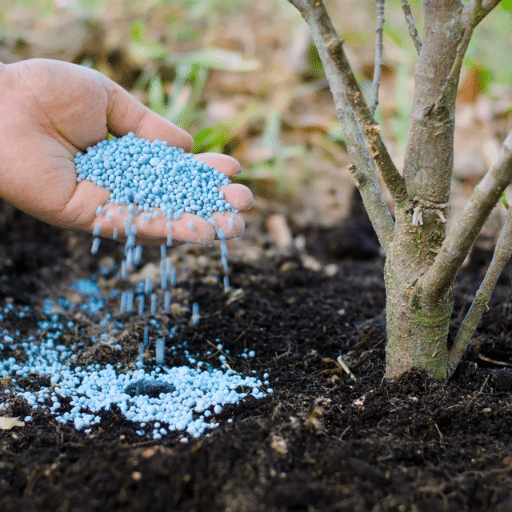
Fruit tree fertilizer spikes are compressed cylinders of plant nutrients. You insert them into the soil around a tree’s root zone. They release nutrients gradually through water infiltration and microbial activity. This slow release provides steady feeding without the guesswork of measuring powder or mixing liquid.
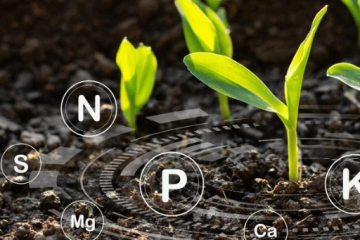
Most spikes contain a blend of nitrogen (N), phosphorus (P), and potassium (K). The NPK ratio varies by purpose. Citrus and fruit tree spikes commonly use formulations such as 3-5-5, 8-11-11, or 10-15-15.
These ratios emphasize phosphorus and potassium. As a result, those two nutrients support flowering, fruit set, and root strength. Nitrogen is included at moderate levels to avoid pushing leafy growth at the expense of fruit.
The binding technology matters as much as the nutrients. Quality spikes use food-grade or biodegradable binders. These hold the cylinder together while allowing water to penetrate.
As moisture breaks down the compressed material, nutrients move into the surrounding soil. Feeder roots absorb them over time. This controlled-release mechanism separates spikes from quick-hit liquid feeds.
Organic vs. Synthetic Spikes
Organic fruit tree fertilizer spikes are made from natural materials such as bone meal, feather meal, kelp, or composted plant matter. Many carry OMRI listing, which means they meet organic certification standards. Synthetic spikes use controlled-release coated granules pressed into stick form.
Both can work well, but organic options depend heavily on active soil biology. In sterile or heavily compacted soils, organic spikes break down more slowly. However, synthetic spikes are more predictable in challenging conditions but do not build soil organic matter.
Want to understand how organic fertilizers support long-term soil health? Explore our complete guide to organic fertilizers for a deeper look at amino acid, humic acid, and seaweed-based options.
Best Fruit Tree Fertilizer Spikes Compared
The market for fruit tree fertilizer spikes has grown rapidly. According to ASINSight plant food category data, spike formulations are now among the best-selling plant food products online. Three brands dominate most SERPs for fruit and citrus spikes.
| Brand | NPK | Organic | Best For | Application Frequency |
|---|---|---|---|---|
| Jobe’s Organics Fruit & Citrus Tree Spikes | 3-5-5 | Yes | Container citrus and fruit trees | Every 4-6 weeks |
| Miracle-Gro Fruit & Citrus Plant Food Spikes | 10-15-15 | No | In-ground and container fruit trees | Every 4-6 weeks |
| Lutz Ultra Citrus Fertilizer Spikes | 8-4-8 | No | Citrus trees needing long-term feeding | Up to 12 months |
| SimplyGro Citrus & Fruit Tree Spikes | Varies | No | General fruit trees and shrubs | Spring and fall |
Jobe’s Organics 3-5-5 spikes are the leading organic choice, with users reporting greener foliage and stronger bloom sets. Miracle-Gro 10-15-15 spikes appeal to growers who want higher nutrient concentration and fast visible results. Lutz spikes focus on extended release, which suits growers who prefer a once-per-year application.
For commercial distributors and private-label buyers, these consumer brands represent only one segment. SHANDONG LOYAL CHEMICAL manufactures bulk organic and controlled-release spikes with customized NPK ratios. This allows garden centers, nurseries, and agricultural brands to offer spike products tailored to regional soils and specific fruit crops.
How to Use Fruit Tree Fertilizer Spikes: Step-by-Step

Getting the most from fruit tree fertilizer spikes requires correct placement, timing, and quantity. Here is a simple process that works for most home and small-scale growers.
- Water the soil first. Dry soil resists spike insertion and limits nutrient movement. Water the area deeply one day before application.
- Measure the drip line. The drip line is the area directly below the outer edge of the canopy. Feeder roots concentrate here, making it the ideal zone for root zone feeding spikes.
- Space spikes evenly. Place them 6 to 12 inches apart in a circle around the drip line.
- Keep distance from the trunk. Stay at least 30 inches from the center of the trunk for mature trees to avoid root burn.
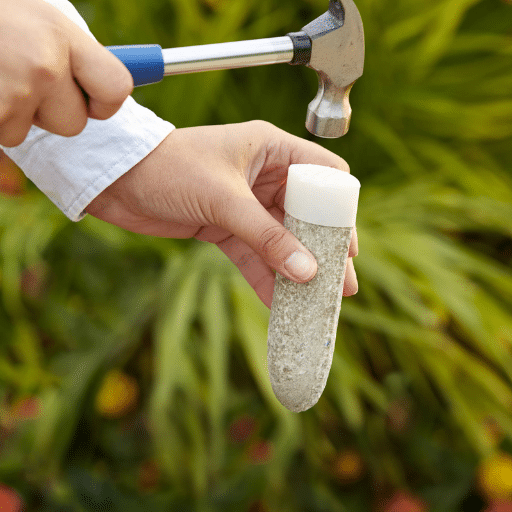
- Drive spikes 2 to 4 inches deep. Use the provided cap or a small mallet. The top should sit just below the soil surface.
- Water again after insertion. This activates the release process and moves nutrients toward the roots.
- Reapply on schedule. Container trees usually need new spikes every 4 to 6 weeks. In-ground trees can often go 8 to 12 weeks.
When Tom planted his first mini-orchard, he pushed spikes right against the trunks of his young apple trees. Two months later the leaves yellowed and growth stalled. A soil test showed salt buildup near the root crown. He moved the spikes to the drip line, reduced the quantity, and the trees recovered by late summer. Placement is everything. If you are establishing young trees like Tom’s, getting the early feeding right matters even more; our organic fertilizer for young fruit trees guide walks through a root-first establishment plan that helps new trees settle in without the risk of burn.
How Many Spikes Per Tree?
The right number depends on tree size, not age alone.
- Young or small trees: 1 to 3 spikes
- Mature backyard trees: 3 to 6 spikes
- Trunk-diameter method: 1 spike per inch of trunk diameter measured 1 foot above ground, minimum 2 spikes
Container trees need fewer spikes. A common rule is 2 spikes for a 4-inch pot, 3 spikes for a 6-inch pot, and 1 additional spike for every 2 inches of pot diameter above that. Always follow the manufacturer’s label for the specific product you are using.
Fruit Tree Fertilizer Spikes vs. Granular vs. Liquid
Each fertilizer format has its own strengths. The best choice depends on your scale, soil, and how much time you want to spend feeding your trees.
| Format | Release Speed | Application Effort | Best For | Runoff Risk |
|---|---|---|---|---|
| Spikes | Weeks to months | Low | Home gardeners, containers, low-maintenance landscapes | Low |
| Granular | Days to weeks | Medium | Orchards, large trees, flexible NPK programs | Moderate |
| Liquid | Hours to days | High | Quick correction, foliar feeding, greenhouse use | High |
Fruit tree fertilizer spikes win on convenience. You do not measure, mix, or worry about uneven broadcast patterns. Granular fertilizers, on the other hand, offer more flexibility in NPK ratio and are usually more cost-effective per acre. Liquid fertilizers act fastest and work well when a tree shows visible deficiency symptoms and needs an immediate boost.
From a sustainability standpoint, underground spike placement reduces surface runoff compared to broadcast granular. However, organic spikes require active soil microbes to release nutrients. In compacted or biologically poor soils, a granular program with compost amendments may rebuild soil health faster.
Not sure which fertilizer format fits your orchard? Our complete guide to fertilizing fruit trees walks you through soil testing, NPK selection, and seasonal timing.
Choosing Spikes by Fruit Tree Type
Different fruit trees have different nutritional needs. Match the spike to the tree for the best results.
Citrus Trees
Citrus trees are heavy feeders. They need consistent potassium and micronutrients such as zinc, iron, and manganese. Look for citrus tree fertilizer spikes labeled specifically for citrus or fruit trees with a higher K number, such as 8-11-11 or 8-4-8. Container citrus often does well with organic 3-5-5 spikes applied every 4 to 6 weeks during the growing season. If you want to dig deeper into feeding citrus the natural way, our guide to the best organic fertilizer for citrus trees covers the nutrient and micronutrient mix that drives sweeter, more abundant fruit.
Apple and Pear Trees
Pome fruit trees need balanced nutrition early in life and lower nitrogen once they begin bearing. A spike with moderate nitrogen and stronger phosphorus and potassium helps shift energy from leaf growth to fruit production. Apply in early spring and again after harvest. For a closer look at organic feeding strategies that boost apple yields, see our guide to the best organic fertilizer for apple trees and how it supports healthier harvests.
Peach, Plum, and Cherry Trees
Stone fruit trees are sensitive to over-fertilization. Too much nitrogen causes soft fruit and increases disease risk. Use a fruit tree spike with conservative nitrogen levels and focus application timing around bloom and post-harvest recovery. Growing peaches in particular? Our complete guide to the best organic fertilizer for peach trees explains how to time and balance nutrition for sweet, abundant harvests.
Nut Trees
Walnut, pecan, and almond trees have deep root systems and large canopies. Spikes can work for young trees, but mature nut trees often require granular or fertigation programs to cover the extensive root zone economically.
Container vs. In-Ground Trees
Container trees have limited root space, so concentrated nutrients can build up quickly. Use fewer fruit tree fertilizer spikes and apply more frequently. In-ground trees handle larger quantities but need placement at the drip line to feed the active root zone.
Common Mistakes to Avoid
Even the best fruit tree fertilizer spikes will underperform if you make these common errors.
Over-fertilizing. More spikes do not mean more fruit. For example, excess nutrients burn feeder roots and can cause leaf drop or fruit abortion. Always follow label rates.
Placing spikes too close to the trunk. Tree trunks do not absorb nutrients. Roots do. Therefore, keep spikes near the drip line, not against the bark.
Applying to dry or compacted soil. Hard soil prevents proper insertion and limits water movement. Water first, and aerate compacted areas if needed.
Ignoring soil pH. If your soil pH is far outside the range your tree prefers, nutrients lock up regardless of how many spikes you use. Test soil every 2 to 3 years.
Using spikes as a micronutrient solution. Standard spikes focus on NPK. If your tree shows iron chlorosis or zinc deficiency, you may need a targeted foliar spray or soil amendment rather than more spikes.
Fertilizing at the wrong time. Late-season nitrogen pushes soft growth that is vulnerable to frost. Stop fertilizing 6 to 8 weeks before your first expected fall frost.
When Fruit Tree Fertilizer Spikes Are the Right Choice

Spikes are not perfect for every situation. They excel in specific scenarios and fall short in others.
Ideal Scenarios for Spikes
- Home gardeners with a few fruit trees who want low-maintenance feeding with fruit tree fertilizer spikes.
- Container and patio citrus growers who need controlled, pre-measured tree fertilizer nutrition.
- Landscapers maintaining ornamental fruit trees where appearance matters.
- New growers who want to avoid mixing errors common with liquid concentrates.
Limitations to Consider Honestly
Spikes deliver fixed NPK ratios. If your soil test calls for a custom blend, spikes cannot match it. They also distribute nutrients in discrete points rather than evenly across the root zone.
In very large trees, this can create zones of high and low fertility. Finally, organic spikes depend on soil temperature and biology, so they work slowly in cold or sterile soils.
When Commercial Growers Should Consider Alternatives
Large orchards usually benefit from bulk granular programs, fertigation, or custom-blended fertilizers. These options allow precise NPK adjustment based on soil tests, lower cost per acre, and even distribution across wide root zones. SHANDONG LOYAL CHEMICAL produces tailored NPK blends, coated urea, and controlled-release fertilizers designed for commercial fruit production.
Need a fertilizer program built around your soil data? Learn more about our customized fertilizer solutions for orchards and commercial growers.
Understanding the Science Behind Spike Formulation
Manufacturing quality fruit tree fertilizer spikes involves more than pressing powder into a stick. The nutrient blend must be balanced for the target crop. The binder must hold shape during storage and shipping but break down predictably in soil. This is why premium NPK spikes for fruit trees use food-grade or biodegradable binders that release nutrients at the right rate. The density affects how quickly water penetrates and how far nutrients migrate from the insertion point.
High-quality spikes use compression technology that creates a porous cylinder. Specifically, water enters these pores, dissolves nutrients, and carries them into the surrounding soil. This is why proper watering after application matters so much. Without moisture, the spike sits unused.
Temperature also affects release. Microbial activity accelerates in warm soil and slows in cold soil. For this reason, organic fruit tree fertilizer spikes applied in early spring may take longer to show results than synthetic controlled-release spikes. Growers in cool climates should factor this into their timing.
From a manufacturing perspective, SHANDONG LOYAL CHEMICAL can adjust spike diameter, density, NPK ratio, and organic matter content. This customization supports private-label brands and commercial buyers who need products suited to specific markets, whether that is container citrus in North America or orchard stone fruit in Central Asia.
Frequently Asked Questions

Are fruit tree fertilizer spikes better than granular?
Not necessarily. Spikes offer convenience and reduced runoff risk. Granular fertilizers offer more flexibility and lower cost at scale. The best choice depends on your tree type, soil, and management goals.
How long do fruit tree fertilizer spikes last?
Most organic spikes feed for 4 to 8 weeks in containers and 8 to 12 weeks in the ground. Synthetic controlled-release spikes can last 3 to 12 months depending on formulation and climate.
Can fertilizer spikes burn fruit trees?
Yes, if misused. Placing spikes too close to the trunk, using too many, or applying to dry soil can cause root burn. Follow label directions and keep spikes near the drip line.
How many spikes should I use per fruit tree?
Use 1 to 3 spikes for young trees, 3 to 6 for mature backyard trees, or 1 spike per inch of trunk diameter measured 1 foot above the ground. Container trees need fewer spikes based on pot size.
Can I use fruit tree spikes in containers?
Yes. Container citrus and patio fruit trees respond well to spikes. Choose a formulation labeled for containers and apply less frequently than you would for in-ground trees.
What are the best citrus tree fertilizer spikes?
The best citrus tree fertilizer spikes contain higher potassium ratios (such as 8-11-11 or 8-4-8) plus micronutrients like iron, zinc, and manganese. Jobe’s Organics 3-5-5 is a popular organic choice for container citrus, while synthetic 10-15-15 formulations work well for in-ground trees needing faster results.
Are organic fruit tree fertilizer spikes effective?
Yes, when soil biology is active. Organic spikes feed microbes as well as plants, supporting long-term soil health. In sterile or compacted potting mixes, results may be slower.
Do spikes replace soil testing?
No. Spikes provide general nutrition, but a soil test tells you exactly what your tree lacks. Testing every 2 to 3 years prevents over- or under-fertilization.
Conclusion
Fruit tree fertilizer spikes offer a simple, reliable way to keep trees fed throughout the growing season. They work especially well for home gardeners, container citrus growers, and anyone who wants consistent nutrition without mixing or measuring. The key is choosing the right NPK ratio, placing spikes at the drip line, and avoiding over-application.
For commercial growers and distributors, fruit tree fertilizer spikes are just one option in a broader fertilizer strategy. Custom NPK blends, bulk granular programs, and slow-release fruit tree fertilizer formulations often deliver better economics and precision at scale. Whether you need a private-label spike product or a tailored orchard nutrition plan, SHANDONG LOYAL CHEMICAL combines certified manufacturing with global logistics to support your goals.
In short, start with fruit tree fertilizer spikes for simplicity. Scale with science when the operation grows. Either way, healthy fruit trees begin with understanding what you are feeding them and why.
Ready to find the right fertilizer for your fruit trees? Explore our certified organic fertilizers or contact our team to discuss a custom formulation for your orchard.