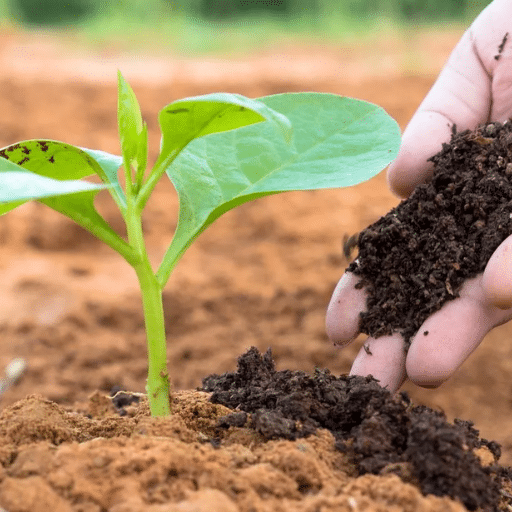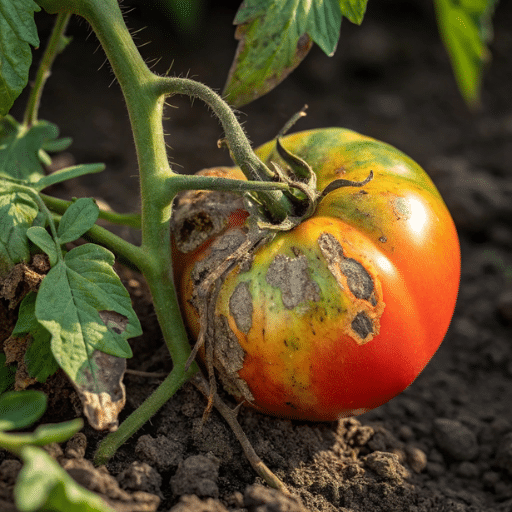

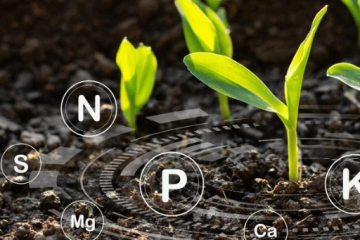
Three years ago, Maria Okonkwo decided to spend $4200 purchasing fertilizers for her 40-acre farm of vegetables. Given the output of the farm of seeming considerable strength on paper, the soil tests seen this leads were just starting their stor-ies. Her yield capability with the soil dropped in organic matter to 1.8%, infiltration had deteriorated, and NPK applications were more or less wasted as her tomatoes showed blossom-end rot. An organic fertilizer program with appropriate cycle formulations was inserted for the following season. The increased input cost for the first year put her expenditures at 18%, which after some evaluation brought her soil organic matter to 3.2%. Water retention increased, and the pack-out went up for tomatoes between organic fertilizer treatment and synthetic control by 22%
The story of Maria is repeated in farmland and gardens across the globe around the issue of organic fertilizer. Fact. MR reports inorganic fertilizer markets amounted to $14.2 billion in 2025 and is expected to grow yearly between 5.0 percent and 8.4 percent through 2035. Producers have realized that organic fertilizers feed plants, and beyond that, it perfects the soil ecosystem that ensures consistent yields receive total boosts.
Most of the directions given for the use of organic fertilizers are written by gardening blogs or by affiliate advertisers promoting products. They state that, first there are some few NPK figures to give, which are always suggested so that one can go on to nature’s counterpart: the online market. Well, this is not a blog. We formulate organic fertilizers in big scales filed on the stretches of our experimental fields. We hence have our products certified as per guidelines given by REACH, SGS, BV and Export Control Organizations across over 50 countries. Irrespective of whether you run a backyard garden, a huge commercial enterprise, or an international distribution company, this article will fill you in on everything. You will learn what real organic fertilizers are about, selecting the correct sort for your soil, the amount to put in, and the bigger certificate meaning.
Want to explore certified organic fertilizers tailored to your crop and soil conditions? Browse our full range of organic fertilizer solutions →
What Is Organic Fertilizer?
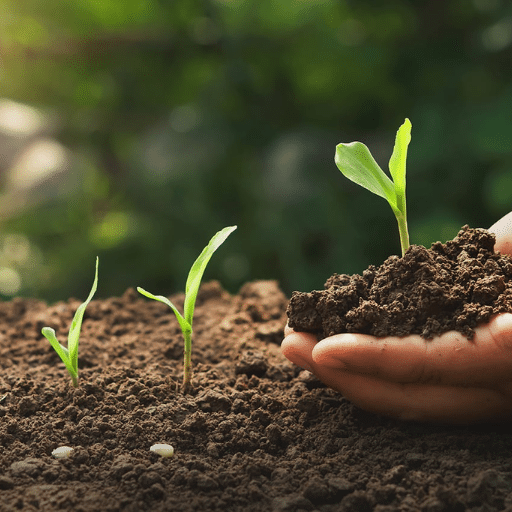
Organic fertilizer is a nutrient-rich substance derived from natural plant, animal, or mineral sources that enhance soil fertility and released by biological decay. Instead of synthetic fertilizers, which provide many ionic nutrients right when they touch soil, organic fertilizers need many soil microbes to decompose carbon-based compounds into accessible plant nutrients.
Here’s an analogy. Synthetic fertilizers are like energy drinks. They hit right away, stay high, and dissolve just as fast. Organic fertilizers are like a balanced diet. They nourish the soil biology first, and then that biology proceeds to nourish the plants, all the while adjusting the plant systems over weeks or several months. These things together set better soil, good water retention, and a risk-minimized chance for nutrient runoff into waterways.
The basic requirements for material to be considered organic fertilizers are biodegradability, arising from natural and renewable resources, thus naturally enhancing the soil, directly help with improving fertility beyond nutrient supply. Typically used resources are composted manure, blood meal, bone meal, seaweed extract, fish emulsion, feather meal, and microbial inoculants. Each will provide nutrients differ from a rival source on a differing release schedule with different treatments.
How to Choose the Right Organic Fertilizer
Choosing organic fertilizers without soil test is like identifying medications without diagnosis. You might be lucky, but more likely, you would just waste your money and having missed the actual problem.
This is what we may very much elaborate further for commercial customers and wholesalers.
Step 1: Test your soil. A basic soil test for pH, organic matter percentage, and available NPK is so named. Most extension services of universities might charge for this around $15 to 30 while probably commercial labs will render even more detailed micronutrient and biological analysis.
Step 2: Determine the deficient nutrients. Lack of nitrogen being the primary symptom will have paler green or yellow leaves especially on older growth. Deficient phosphorus is a synergy of reduced root stuntedness with poor flowering. For doomsday, potassium-deficiency symptoms appear with brown leaf edges and feeble stems.
If nitrogen is your main limitation, see Best Organic Nitrogen Fertilizer: A Manufacturer’s Guide to Types, Performance & Sourcing for a deeper comparison of fast- and slow-release organic nitrogen sources.
Match the fertilizer type with the particular deficiency, high nitrogen needs: blood meal, feather meal, or fish emulsion. Phosphorus needs depend on bone meal or rock phosphate. Potassium need to be met by kelp meal or greensand.
Step 4: Think about the crop and its stage. A high N intake is necessary for leafy greens during their growing season. Phosphorus and potassium are required by the plant during fruiting at the onset of flowering. Phosphorus is necessary for root crops starting early while a well-balanced menu should be forthcoming later.
Step 5: Consider size and budget. A home gardener spends $30 every season for an organic fertilizer bag. A commercial grower must work on the long-run economics. A distributor must depend immensely upon bulk reliability in supply chain. Certification documents will also be a part.
This framework prevents the most common mistake in organic fertilization: buying a generic “all-purpose” product that does not match your soil’s actual needs. For tailored recommendations based on your soil data, our agronomy team formulates custom organic fertilizer blends designed to your exact specifications.
Types of Organic Fertilizers
Organic fertilizers are grouped into four categories that are based on source material. While you will find it a tad bit useful to learn each of these categories, this piece attempts to help you pair up the right nutrient profile with a specific crop and soil type. If you want a broader breakdown by source, nutrient profile, and use case, read Types of Organic Fertilizers: A Complete Guide for Gardeners and Commercial Growers.
Natural Organic Fertilizers
These are fertilizing materials derived from plant parts like composted vegetation, crop residues, or aquatic plants. They may not have high NPK numbers, especially when compared with animal-based fertilizers, but one gets massive soil-building benefits from them.
Ensuring the existence of some subsidy in whatever kind of organic program is compost, which is formed from decomposing food scraps, yard waste, and crop residue and will normally carry an NPK estimate of 2-2-2. However, its most important element is not the added nutrients, but rather the adenusbacteria fungus protozoa that help nutrient cycling in the soil.
Alfalfa meal: Ideally, the natural stimulant triacontanol found in alfalfa serves the 2-1-2 NPK need well; alfalfa meal is an all-purpose soil amendment and compost activator. Cottonseed meal will be delivered with a similar load of 6-2-1 NPK, but if used plentifully, it acidifies the soil slightly and may therefore be beneficial for blueberries, azaleas, and similar acid-loving crops.
Seaweed and kelp extracts are the gold medal micronutrients. NPK is a humble, often 1-0-2 or 2-0-4, but they are head over heels for 60-plus trace minerals, growth hormones in their natural forms, and stress-reducing compounds. Foliarly, they are particularly useful during transplant, drought, or peak fruiting pressure.
Animal-Based Organic Fertilizers
Organic nutrition will be enriched by the animal-based fertilizers. They give concentrated NPK in forms for soil microbes to easily process.
Traditionally, composted manure from cows, chickens, and horses are used. Cow manure will provide 0.5-0.5-0.5 NPK slowly and dramatically improve soil structure. In comparison, much hotter chicken mush has about 5-3-2 NPK and would need to be fully composted to prevent root burn and pathogen risk. Horse manure runs in between and heats up quickly in the process of decomposing, rendering it good for cold-frame and raised bed prep.
Blood meal supplies the highest nitrogen of any organic fertilizer, around 13-0-0 rate; it turns the plants green quickly but could also burn its roots if applied too heavily and can delay flowering. Feather meal presents 12-0-0 nitrogen inside a slow-release keratin matrix. This nitrogen feeds crops for 3 to 4 months. It’s particularly great for use with long season crops, such as corn or tomatoes.
The importance of bone meal lies in its 3-15-0 NPK composition, with approximately 24% calcium. It is influential in root development, flowering, and fruit set. Bone meal could prove most beneficial from acidic to the middle range of the pH scale. Phosphorus becomes chemically bound and unavailable to plants in alkaline soils.
Fish emulsion, which might have a 5-1-1 NPK ratio, usually goes through a fermentation process so as to be partially pre-digested. This is the reason that fish emulsion is one of the fastest-acting organic fertilizers available. Its excellent foliar feeding characteristics are beneficial for quick uptake of nutrients when required for transplant shock process or for container gardens.
Mineral-Based Organic Fertilizers
Fertilizers of mineral origin are deriving from salt deposits and rocks. From a technical standpoint, they are not regarded as biologically organic, although they are kept in place for organic farming since they belong to the natural environment and have undergone minimal manipulation.
Dependant on where it originates, rock phosphate might be attributable in a slow release of phosphorus at intervals between 0-3-0 and 0-20-0. It can be seen as a stable phosphorus reservoir because for soils having poor P levels. Another example such as greensand is manufactured in marine sediments and offers lots of potassium and all hypobiotic nutrients. Epsom salt, magnesium sulfate, will add to the scenario that helps in curing magnesium deficiencies, which result in interveinal chlorosis in tomatoes, peppers, and roses.
Together from these do not burn; they will last in the soil for a very long time, so be patient. Efficacy comes at a cost: Rock Phosphate may have to be available in 6 to 12 months for full plant availability.
Bio-Fertilizers
While bio-fertilizers are full of living microorganisms that enhance nutrient content and provide plant roots with added benefits, traditional fertilizers are mainly composed of ochrous substances. These living organisms will assist in the recognition of available nutrients like nitrogen fixation from the air for the rhizobial bacteria in legumes; mycorrhizal fungi will greatly extend the root surface by 100 to 1000 times allowing better nutrient and water absorption. Trichoderma encourages root growth and nutrient release by hindering the pathogenic growth of soil during crop cultivation.
These only serve the same purpose as organic manures, just far less efficiently. An effective 20-30% less nitrogen with efficient constituents of organic manures could already be available at the plant at drought signals or disease conditions.
Understanding Organic Fertilizer NPK Labels

Reading the labels of organic fertilizers can be puzzling for users of synthetic remedies. Here we find an example of a synthetic vegetable fertilizer using 10-10-10 or 20-20-20. The organic equivalent in this category will have values such as 4-3-2, 3-5-4, thus exhibiting lower figures. Deception lies within the shallow matter.
NPK: Nitrogen, phosphorus, and potassium (their rarity or the scarceness of their tracing in nature do not matter.) In the realm of nutrients, these are the three macronutrients required in large quantities for plants. The numbers on the label indicate the percentage of each nutrient by weight.
Organic NPK values are lower because these nutrients are attached to carbon-based molecules; microbes must work to break down these molecules so plants can utilize the nutrients. Therefore, 4-3-2 in organic fertilizer accounts for slow biologically mediated release, making it equivalent to 10-10-10, merely faster. Even within a whole growing season, 4-3-2 might actually outshine 10-10-10; here nutrients remain at the root zone without being washed away.
Look at the secondary nutrients, including calcium, magnesium, and sulfur rather than NPK, when comparing organic fertilizers. Check for micronutrient listings for iron, zinc, manganese, boron, copper, and molybdenum. A complete organic fertilizer will cater to the full spectrum of plant nutrition, not just the big three elements.
Check whether the fertilizer is “complete” or “incomplete”. A complete organic fertilizer contains all three macronutrients, like 4-3-2 or 5-2-3. Incomplete fertilizers target a single nutrient. They may include blood meal at 13-0-0 and bone meal at 3-15-0. Incomplete fertilizers are invaluable for correcting specific deficiencies. However, they do require a bit more understanding concerning the demand for corrective function rather than creating new imbalances.
Organic Fertilizer by Crop Type
Occurring at various growth stages, each crop needs a magic mixture or nutrient profile. Here is a short guide to fertilizing various properties of rapid ground growth with an organic profile.
For example, lettuce, kale, spinach, etc.: These are leafy greens; nitrogen feeders, major in vegetative yield, are primarily designed for nitrogen boost and quick leaf building. At planting, nitrogen-rich powdered supplements, like blood meal, fish emulsion, and composted chicken manure, should be broadcast. Broadcast nitrogen supplements again 3 to 4 weeks later. For a more detailed crop-by-crop feeding plan, see Best Organic Fertilizer for Vegetables: A Grower’s Guide by Crop and Growth Stage.
Fruiting Crops (tomatoes, peppers, squash, cucumbers): These plants need phosphorus for flowering and potassium for fruit development. Bone meal at planting provides phosphorus for root and flower formation. Kelp meal during fruiting supplies potassium and trace minerals. Avoid excess nitrogen during flowering, as it promotes leafy growth at the expense of fruit set. If tomatoes are your main focus, see Organic Tomato Fertilizer: The Complete Guide to Bigger, Healthier Harvests for a deeper look at stage-based tomato nutrition.
Root vegetables such as carrots, beets, radishes, and potatoes need phosphoric acid to favor their root production to thicken their root sizes. Whenever planting, you consider using bone meal or rock phosphate to enhance support of the roots in developing thick and healthy. Uncomposted fresh manure can cause forking and irregular root forms, so it should not be used.
Fruit Trees (apples, citrus, figs, stone fruits): Trees need balanced, long-term nutrition. Feather meal provides season-long nitrogen. Bone meal supports root and flower health. Kelp or seaweed extract supplies micronutrients that improve fruit quality and stress tolerance. Our detailed guide on Best Organic Fertilizer for Fruit Trees: A Manufacturer’s Guide to Healthier Harvests covers variety-specific recommendations.
Cannabis: Cannabis has distinct nutritional needs across vegetative and flowering phases. During vegetative growth, higher nitrogen from blood meal or fish emulsion supports foliage development. During flowering, switch to phosphorus and potassium sources like bone meal and kelp. pH management is critical; most organic nutrients are best absorbed between 6.0 and 7.0. Learn more in Organic Fertilizer for Cannabis: A Complete Guide for Growers and Cultivators.
To preserve their color and density, grasses subsist on a regular diet of nitrogen. Nitrogen from any slow-feeding source (like feather meal or granulated corn gluten feed) can keep the lawns green without causing rapid leaf growth. For flowering shrubs and perennials, however, it’s wise to maintain a balanced application of compost and bone meal to ensure plentiful foliage and bloom. For home gardeners comparing packaged retail options or specialty formats, you may also want to review Organic Fertilizer at Home Depot: A Manufacturer’s Market Analysis and Jobe’s Organic Fertilizer Spikes: How They Work and When to Use Them.
How and When to Apply Organic Fertilizer
Application methods are almost as important in agriculturally organic materials as what-is being applied; materials should mostly be applied where plants will utilize them. Failure to do this could result in waste, while also damaging the plants. If you want a full method-by-method walkthrough, see How to Apply Organic Fertilizer: Step-by-Step Guide for Home Gardens and Commercial Farms.
Broadcasting
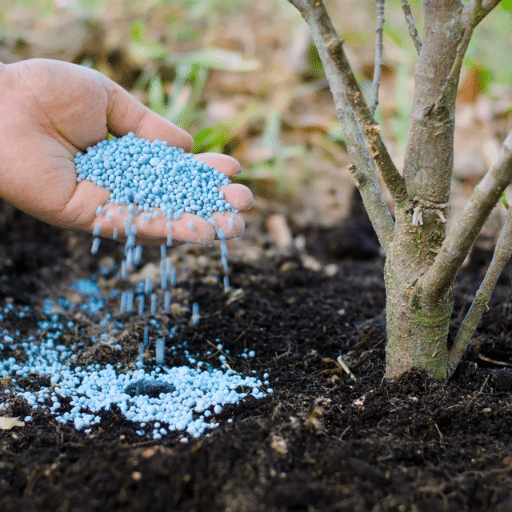
This involves spreading granular organic fertilizers evenly on the surface of the soil. This is the easiest and fastest way to add fertilizer to large areas. After applying fertilizers by broadcasting method, they should then be worked into the first 2 to 3 inches of soil with a rake, hoe, or tiller. This ensures that nutrients are not lost by air assistance or water runoff, while placing organic materials at the root zone where the microbes can process them.
Broadcasting is also especially good in spreading compost, manure, feather meal, and pelleted organic blends. This is the usual routine for bed preparation during preplanting and fertilization of lawns.
Side-Dressing
When side-dressing, fertilizers are put in a trench parallel to the row, at a 2- to 3-inch depth, directly in the zone of the plants’ active roots, providing nutrients without disturbing established plants. Side-dressing is ideal for mid-course nitrogen feeding of corns, tomatoes, and the leafy green vegetable crops.
To side-dress, dig a shallow furrow 4-6 inches out of the plant stem. Put Equal parts blood meal, aged composted manure, or a balanced organic granular. Again, cover with soil, and water.
Top Dressing
This practice involves spreading a thin layer of organic material over the inner side of the ego layer. Since spreading has only reached the soil surface and not broadcast to mix with the upper reel of the field, the method of top dressing will depend upon a combination of natural soil erosion and slow convection currents caused by water and moisture.
Used on worm castings, compost, and slow-release fertilizers around seedlings or perennials, the method disrupts root systems as little as possible. It is a climate-based, supply of somewhat gentle nutrients to the top portion of the soil layer. Put 1/4 to 1/2-inch of compost or worm castings on compatible containers every 4 to 6 weeks.
Foliar Feeding
Foliar feeding is the technique employing dilution in the sprays of liquid organic fertilizer loaded into plant leaves, which move inside by passing through leaf stomata and cuticles, other than the soils are a bypassing alternate. This provision makes foliar feeding conventionally fast to cure a deficiency.
Fish emulsion/organic fertilizer, seaweed extract, and compost tea are effective foliar feeds. Dilute each to half activity. Spraying early in the day or in the evening prevents leaf burn from direct sun during the heat of the day. Apply every 7 to 14 days when the plant is in active growth or is facing stress.
Fertigation and Drip Injection
In fertigation, liquid organic fertilizers are injected into irrigation systems directly for direct feeding into the root zone by means of minimum labor. Later select plant posts may provide exhaustive details on this combination of methods excellently. Copyright © 2021 Vipar.
Drip systems are highly efficient for fish emulsion, liquid kelp, and fully soluble amino acid-based applications. Some common application rates range from 25 to 50 gallons per acre per application, depending on specific concentration and the needs of different crops.
Timing Guidelines
Since organic fertilizers break down gradually, they should be applied well in advance. Applications of slow-release amendments, including compost, feather meal, and rock phosphate, must be accomplished between 2 and 4 weeks prior to planting so that microbes may get started on digesting them. On the other hand, fast-acting fertilizers, such as fish emulsion and blood meal, full of ready-to-use proteins, can be necessary at planting either due to nutrient need or because of mechanism or at an early growth phase of the plants.
Most crops best handle three times for fertilization. An application of fertilizer pre-planting is used to add some baseline fertility; it is a very warm and vegetative one, such as was helped by fast acting in enhanced growth. The next one of heavier wintertime periphery during filling and tuber development gingery in the middle of the season. The last one following the harvest is a comedic fertilizer (the preferred one being well-aged compost) fitted with organic matter for the next cycle.
Organic Fertilizer Cost Comparison
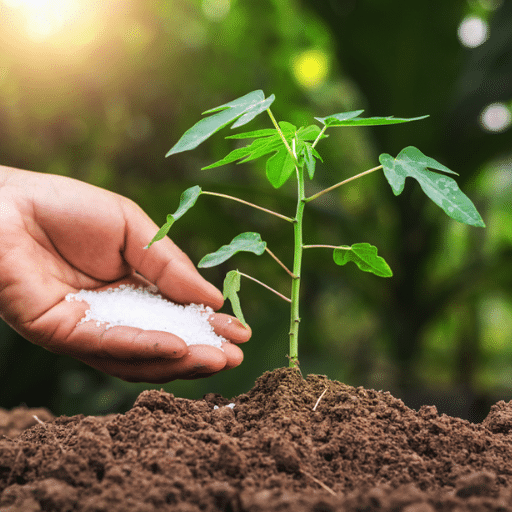
The cost of organic fertilizers is the most typical concern of converting from traditional to organic fertilizers. That is because the cost of manufacture with nitrogen per pound is mostly higher. That simply buzzes regarding its economic impacts.
Home Garden Side
By then, a typical individual can easily expect to spend between 25 to 50 dollars per 400-square-feet vegetable garden on some compost and bone meal. It all depends on what type they would go with and what compost mix worked best in respective gardens, but expenses per 1,000 square feet would be easily 60 to 125 dollars.
For gardeners who prefer mixing their own inputs to cut costs, DIY Organic Fertilizer: 12 Proven Recipes with NPK Values is a useful next read.
DIY composting reduces this noticeably. If compost food and waste considerable for a season, the input cost is practically zero. The issue is time and space. Homeowners have to wait 2 or 3 months with a hot pile, or 6 to 12 months for a passive pile.
Commercial Farm Scale
The cost for the commercial operator is $14.08 per acre and $27.21 per pound of nutrient, thereby warranting all possible calculations on spraying costs because some services with nets—like the $10.57 cost per acre—are not practical or useful for anything styling or environmental-based.
Today, we do have several combinations of costs of nitrogen sources. It turns out that synthetic urea costs $0.65 per pound of nitrogen. Liquid fish emulsion costs $20–$40 a pound of nitrogen depending on the fact that the given nitrogen application is to be applied. This was rather short-term, sounder perspective for natural fertilizing, so far—and while it may appear inefficient in the meantime, organically optimizing is up building. Please bear with us as we cover soil organic matter: every 1 percent increase in soil organic matter sort of unleashes 20–30 pounds of nitrogen per acre annually.
Feather meal, from 750 to 1000 pounds per acre, delivers anywhere from 100 or so pounds of nitrogen over the same 3–4-month timeframe. This will come in mainly a $300–$600 cost per acre depending on the source of material and freight cost. Compost, at 5–10 tons per acre, is much cheaper to apply, costing about $150–$400 per acre. Conjuring a reasonable amount, the mentioned practice is a real program that brings fertilization all season long plus a proper soil structure synthetics can never copy.
Margins concerning commercial growers are not confined to input cost. Input cost plus yield stability plus soil improvement plus reduced irrigation needs would be a far more viable question. Farms going to organic fertilizer programs often report 15% to 25% reductions in irrigation requirements by the third year as they enhance water-holding capacity.
Bulk and Distributor Economics
Understood are facts that are very different from what they think did not do something like that. In comparison, organic fertilizers sold in bulk and mainly transported in containers or by rail, reflect cost reductions between 30 to 50% per ton as compared to retailing in bags. With the same price, a 20-foot container of organic NPK granules can serve 100–200 acres when purchased from a lab certified producer.
The crux of the issue is in finding manufacturers who are quality conscious at every step. Variability in compost, manure, and animal byproducts are the important stumbling blocks in the organic supply chain. Manufacturers that have their in-house laboratory testing, SGS or BV certification, and batch-to-batch consistency are the ones that wholesally buyers are looking for.
Certifications and Quality Standards
Not every bag labeled “organic” is created equal. There are certifications that can distinguish a verified product from just marketing hype.
OMRI Listed means it can be used on USDA Organic certified operations. The standard set by OMRI listing could be considered the standard for the organic farmer in the USA. For organic market sales, OMRI listed products recommended.
An USDA Organic certification has to do with an operation; it does not certify the fertilizer itself. The fertilizer must, in all probability, break down to be OMRI listed or add something else that is permitted by the organic regulations. Otherwise, certification could be at stake.
REACH compliance is an important consideration with regard to fertilizers for sale in the European Union. All these items need to be in compliance with very strict safety standards for human health, chemical composition, and the environment. Essentially, REACH certification means that an organic fertilizer can freely circulate anywhere within the EU without further legal barriers.
SGS and Bureau Veritas accredited by third-party verifications from globally recognized inspection agencies. SGS verifies nutrient accuracy, heavy metal limits, and the screening of contaminants. Bureau Veritas assures to operate within manufacturing process guidelines and to maintain traceability and supply chain integrity. These certifications are often most important for distributors, exporters, and commercial users who are required to demonstrate compliance to import regulations or their own corporate procurement standards.
During the evaluation of an organic fertilizer supplier, the CoA for each batch weighs immensely on the confirmation. It is more important to ensure that the claims from NPK marry the outcomes as obtained in the laboratory. Check out heavy metal levels, especially for cadmium, lead, and arsenic, which are known to accumulate in animal-based and mineral-based fertilizers. Any decent manufacturer should have these documents available for you to check.
Organic vs. Chemical Fertilizer: A Practical Comparison

It is common for the debate between organic and inorganic culturing to generate more heat than light. These methods are both good. The question is not, which is “better.” The question should be framed thus, Which suits one’s goals, soil conditions, and operational constraints? For a fuller side-by-side breakdown, read Organic vs Synthetic Fertilizer: A Complete Guide for Modern Growers.
Nutrient Availability
Synthetic or chemical fertilizers release nutrients in the form of ions available directly. For instance, synthetic nitrogen taking a few hours from application to plant absorption. High precision and high rates of absorption are very useful where immediate correction of severe deficiencies in vegetable crops and bulk cereal crops is required.
Organic fertilizers, by contrast, are made operative by microbes slowly breaking down carbon-based substances. Blood meal mineralizes in one to three weeks; feather meal, in three to four months; and rock phosphate, in six to twelve months. This slower release needs planning, of course, but on the upside, it greatly reduces leaching losses, and with it, nutrition over an extended period of peak demand.
Soil Health Impact
The long-term process of applying synthetic fertilizers acidifies the soil, affects a reduction in microbial diversity, and oxidizes the soil structure. This necessitates a regular return of chemical fertilizers to keep the same amount of harvests that would in a way mean constant addition of fertilizers to replenish the used-up nutrients through harvested outputs. This is what Maria Okonkwo describes as the treadmill effect on her farm.
Organic fertilizers help to increase the organic matter in the soil, feed the beneficial microbes in the soil, increase water holding capacity and enhance the creation of air-stable soil aggregates. These benefits exponentially increase over time. A soil with about 3% organic matter compared to one with merely 1.5% behaves in its very nature much differently: It absorbs more moisture, resists compaction, and cycles nutrients with greater efficiency but leaches to 5, while a version with large circulation areas is typically quite poor in holding water, with severe compaction and poor nutrient recycling area.
Environmental Footprint
About 1% of the global energy supply is consumed by the production of synthetic nitrogen. This is primarily through the Haber-Bosch process. Excessive synthetic nitrogen with nitrates drains away to make up algal blooms and dead zones on coastal waters.
Organic fertilizers have lesser water runoff potential due to the nutrients being tied up in organic molecules. Yet, they are not perfect. Well applied manure can release methane and nitrous oxide. Over application of any source of nitrogen, organic or synthetic, has a potential to render the environment greatly affected. One important step in the right direction is the maintenance of application rates with respect to crop needs via soil testing.
Cost and Labor
Chemical fertilizers score high in initial costs and ease of covering fields. A bag of synthetic 10-10-10 fertilizer is cheaper than the organic equivalents and is simple to scatter with standard equipment.
Since organic fertilizers often contain more bulk material per unit of nutrient, incorporation into the soil is more labor-intensive. However, the long-term economics may favor organic approaches if the soil-building reduces future input needs and irrigation costs mostly.
Wise growers often use a combination of both. They cultivate good soil health with compost, manure, and slow-release organic amendments. Then they use targeted synthetic applications for rescue shots or peak-demand periods where precision actually matters. This combination, also known as integrated nutrient management, harnesses the strengths of both systems. For a balanced look at the trade-offs many growers overlook, read Disadvantages of Organic Fertilizers: A Farmer’s Guide.
For a balanced look at where organic fertilizers fall short, read our analysis of the cons of organic fertilizer. Understanding limitations helps you use organic inputs more effectively.
Frequently Asked Questions

Organic fertilizers, what are they concocted with?
Organic fertilizers are made from natural materials, such as composted plant matter, animal manure, bone meal, blood meal, fish byproducts, seaweed extracts, and naturally occurring minerals like rock phosphate. A few also contain beneficial microorganisms that can aid in nutrient availability.
Organic fertilizers work immediately?
Most organic fertilizers can’t do the trick of giving immediate results. In the case of liquid fertilizers like fish emulsion and seaweed extract, results are visible within days to weeks. Those in granular form need microbial decomposition and can take weeks through to months before they are fully effective.
Can organic fertilizer burn plants?
It’s less of a risk, still, to let the tomato plants grow on nitrogen-rich fertilizers such as leguminous crops, but the chances are sort of there when synthetic fertilizers work against you. By a bit of nature of the above argument, how so can some organics burn the roots and not others? Blood meal and fresh, uncomposted manure can burn roots through over application, where fully composted material, worm castings, and most slow-release organics have very low burn risk. Always follow application rate guidelines and water after application.
How fast will the organic fertilizers start working?
Quite quickly; that is, the liquid types infuse the plants within days. Blooding appears in one to three weeks. Feather meal or rock phosphate last 3-4 months, and compost is the slow and steady source of nutrients for the whole growing season.
Can you apply organic and inorganic fertilizers together?
Oh, yes. Most growers prefer integration since organic materials will set the soil differently and in reversible ways. Now the fertilization is either directly delivered to the soil or made to flow from the soil surface. One should not directly apply these salts in a certain band, as high salt during the use of chemicals may stop microbe activity temporarily.
Is organic fertilizer healthier than chemical fertilizer?
It depends on the objectives you are pursuing. Organic fertilizers are better for long-term soil health, sustainability, and reduced environmental impact; chemical fertilizers are better for quickly and strongly correcting deficiencies and achieving maximal short-term yields in controlled conditions. Many grower may find the best results by practicing a mixed system.
How much organic fertilizer should be applied per acre?
The particular rate varies by the beneficial product being used and the crop to which it is being applied. So, for compost, apply between 5 and 20 tons per acre. Feather meal usually fetches an application rate of 750 to 1,000 lbs. per acre. Fish emulsion should be applied at one rate of between 25 and 100 gallons per acre, depending on the concentration of the product. Always base the rates on soil tests, and do not rely on general recommendations.
Conclusion
Organic fertilizer is no product category; it is a soil management mindset. When you go with organic inputs, know that it’s not just plant feeding; you are making contributions toward the biological infrastructure that makes sustainable agriculture possible over centuries.
From this guide, the following five bring-home messages are to be noted.
- Begin with soil testing. Match the fertilizer to actual deficiencies, not guesswork.
- Consider the effect of release rate. Blood meal gives quick results. Feather meal results are slower. Decide based on the crop calendar.
- NPK is not all there is. Micronutrients, biological action in the soil, and organic matter content stand as important as macronutrient percentages.
- Determine true costs. These should include soil amendment, water-holding capability, and sustainable plant stability when figured in economics.
- Check the certifications. We look for OMRI, REACH, SGS, and BV to separate good products from professionally marketed lies.
For anyone getting started with a new compost pile in their backyard, transitioning hundreds of acres from conventional to organic farming, or even sourcing a reliable organic fertilizer for its international markets, the principles stay very much the same. Quality soil yields quality crops. Organic fertilizers are one of the most powerful tools with which we can nourish the land right from the very ground.
Ready to improve your soil and crop performance with certified organic fertilizers? Contact our team for a custom formulation quote or bulk sourcing consultation →
SHANDONG LOYAL CHEMICAL CO., LTD is known for manufacturing organic fertilizers for farmers and traders worldwide by following REACH, SGS, and BV standards. Ranging from amino acid and humic acid blends to a range of customized NPK combinations derived directly from your soil data, we make land-specific and crop-specific production proposals.